Work / Amazon Home
Case 04 / 11
Production
2022
01
what i actually ran
Pre-production · Client pitch · On-set direction · Post
I wrote the concept and pitched it to the client myself, in the pre-production meeting I ran. I hired and briefed the photographer and videographer, built the shot list around each month’s themes, and directed on set. The crew ran about ten people.
We shot in houses that belonged to real people who offered them. No studio, no built sets, no changing a single surface. We could not paint a wall or swap a countertop, so the lighting plan and the styling had to carry the whole look. That constraint is why the content reads like an actual home instead of a set.
After the first shoot I wrote the post-production process: how footage came back, who cut what, in what order, to what deadline. That system is what let the shoot repeat every month instead of being a one-off.


02
four themes a month
Content system · Shot list · Cadence
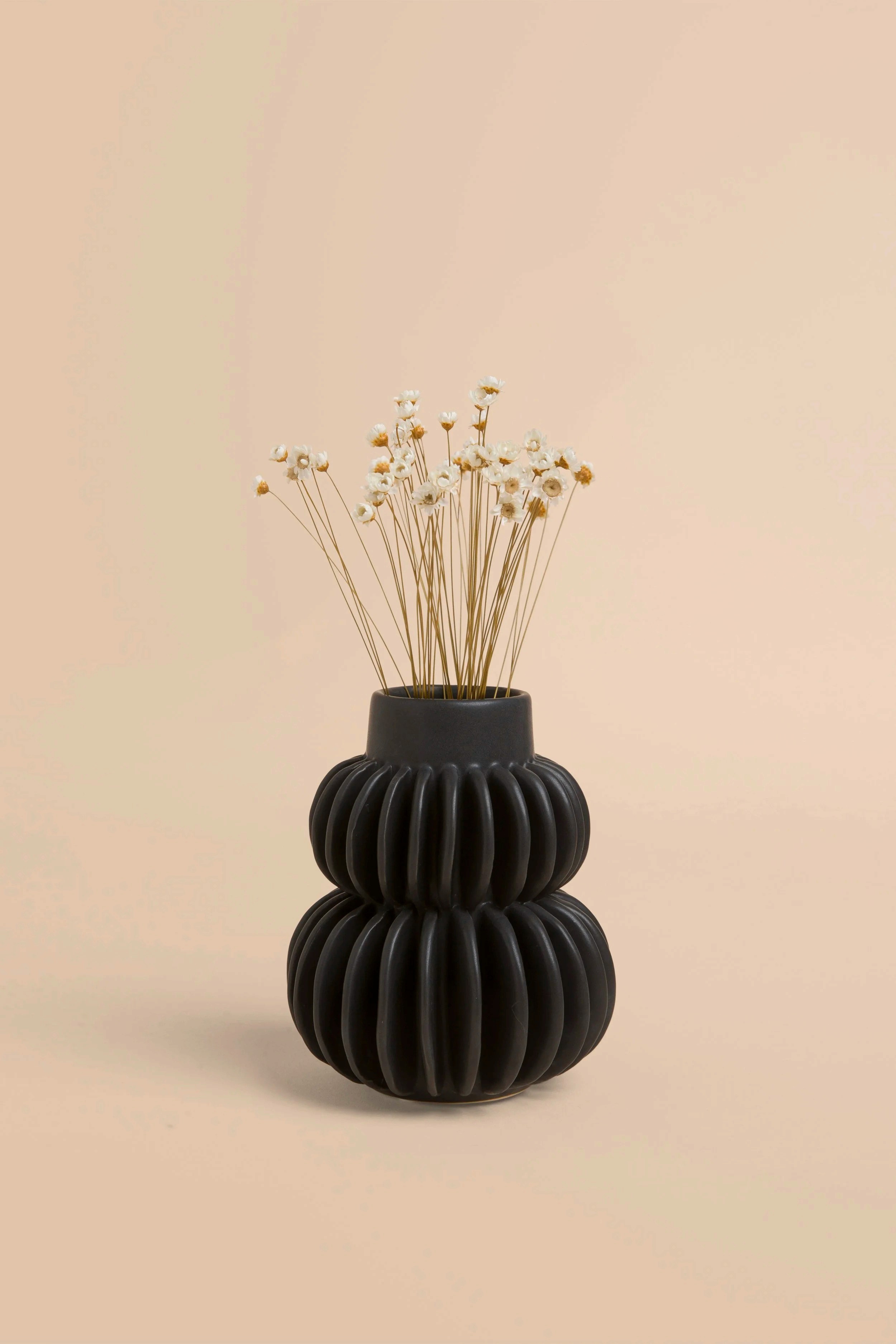
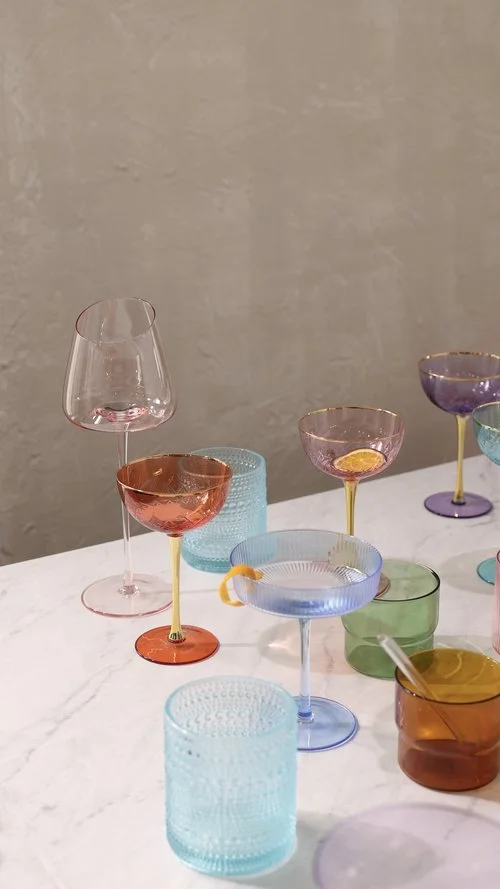
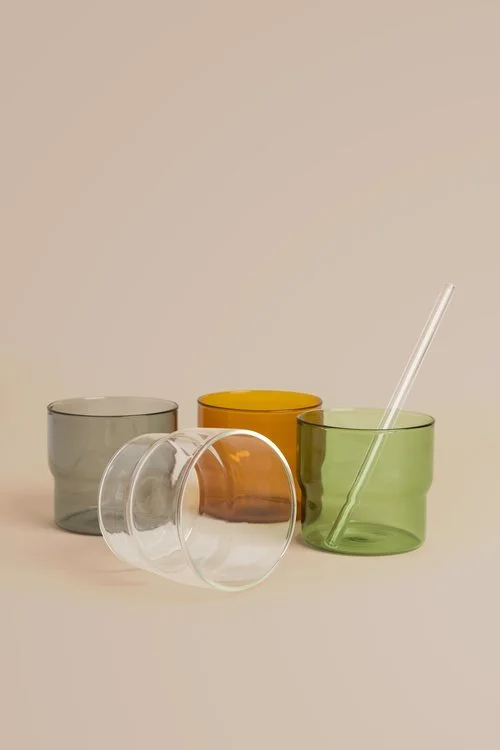
Each month ran on four décor microtrends. June opened with lavender haze, colored glassware and clear vases. Every theme got one Reel and one Instagram Story set of at least seven frames, plus a full set of product stills.
That is four Reels, four Story sets and roughly thirty Story frames a month, all captured in a single production block. The shoots ran June through November.
Stories beat in-feed consistently, with click-through 30 to 50% above benchmark, so I put more of each shoot day into Story-first setups. The format that performed got more of the budget, not the one that looked best in a deck.


DROP IMAGE — New favorite read, 9:16


Look & feel
between aspirational and achievable
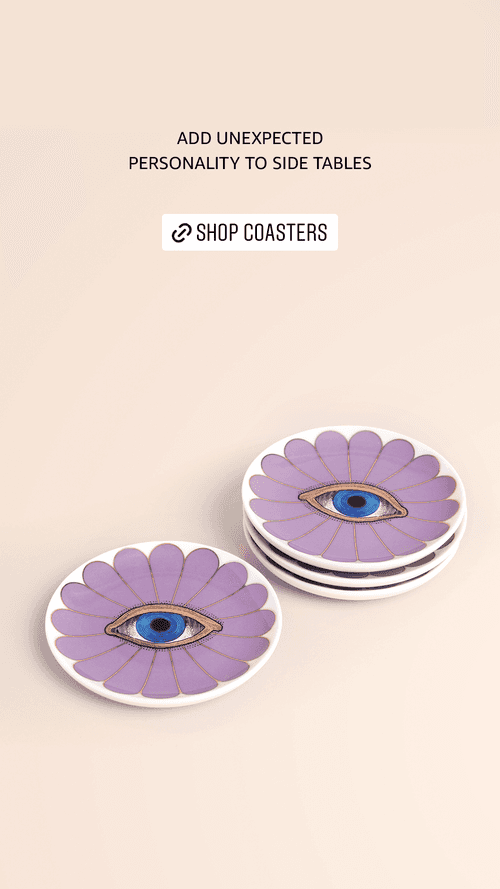
The direction sat between a CB2 catalog and something you could actually do on a Saturday. Elevated enough to want, plain enough to believe. Anything glossier read as an ad and got scrolled past.



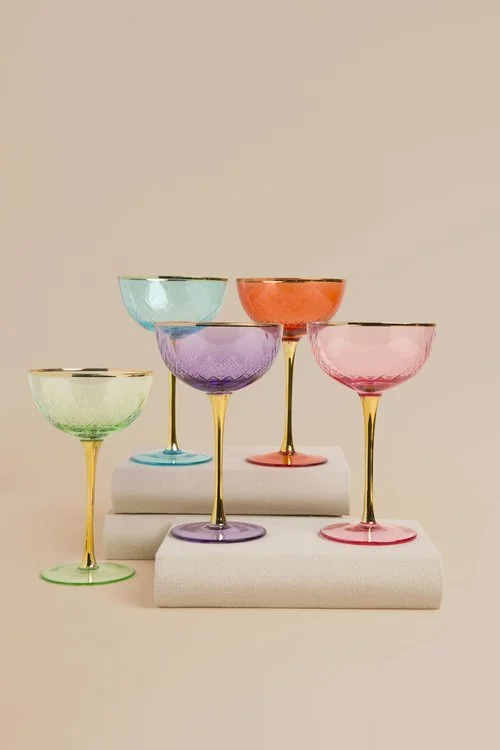
Look & feel
The reels
I connected and directed at least 4 videos each month, which were used on Instagram and TikTok.
03
shot for the shelf, not just the feed
Ecommerce · Product photography · Shoppable social
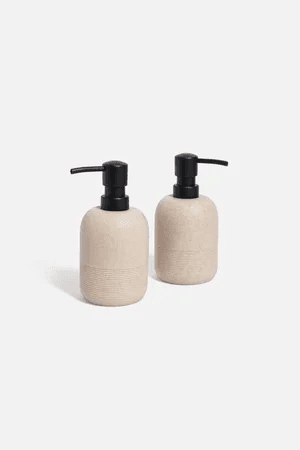
Every product still had a second job. The same images went to Amazon product detail pages, the page a shopper looks at right before they decide to buy.
The Story frames were built to be tapped. Each one linked straight to the product, so a frame was not a nice picture, it was the step before the cart. That changed how I shot: a frame had to hold up cropped square on a product page and full bleed at 9:16 in a Story, so both were planned from the shot list forward, in the same block, on the same day.
Same shoot, two destinations. One built the brand, one sold the product.




Results
1.4M+
Impressions per month
Speed to Social
8.5%+
Average engagement
Above platform benchmark
86%
Instagram follower growth
2022 to 2024
Best single posts: a June glassware post at 213K impressions and 9.41% engagement, an October charcuterie board at 1.6K clicks and 20.71% engagement. Social reporting. No commerce figures were shared back on this work.
The Throughline
i owned the shoot.
Production as a system.
The shoot was the easy part. What made it repeat was the process behind it: how it got pitched, how footage came back, who cut what, by when.
Constraints set the look.
We could not touch the houses we borrowed. Working inside that is why the content reads like a home instead of a set.
Build every asset to work twice.
Scroll-stopping in social, clean enough for a product page. Planning both from the shot list is cheaper than reshooting for one of them.
Follow the format that performs.
Stories outperformed feed by 30 to 50%. The next shoot day was built around that, not around what looked best in a presentation.
