summerblue
A Study in Directorial Translation
Five directors, one story. How visual language changes when the same narrative beats are filtered through different cinematic instincts—from Korine's neon urgency to Garrone's working-class realism.
SUMMERBLUE is a story I wrote set in Barca Azul, a fictional Mexican beach town. Felix Rivas is twenty-two, working-class, and starving to expedite his growth into manhood. When he falls for his father’s tenant, he starts sanding himself down -- his accent, his body, his past -- trying to become someone worthy of being kept. By the end of the summer, he’s making reckless choices for validation and learning that performing love is not the same as being seen.
For this project, I wanted to explore how different director–cinematographer teams would interpret the exact same material. Not to chase a unified aesthetic, but to show how five distinct visual voices would handle the same emotional beats with completely different psychological and cinematic instincts.
I matched each team to the scene that demanded their specific emotional logic.
The Methodology
In development, there’s always that question:
“If another director handled this scene, what would actually change?”
Usually the answer takes weeks of references, mood boards, and concept art.
Here, I explored those variations quickly not by chasing generic “cinematic looks,” but by understanding each director’s visual grammar and applying it to new narrative material.
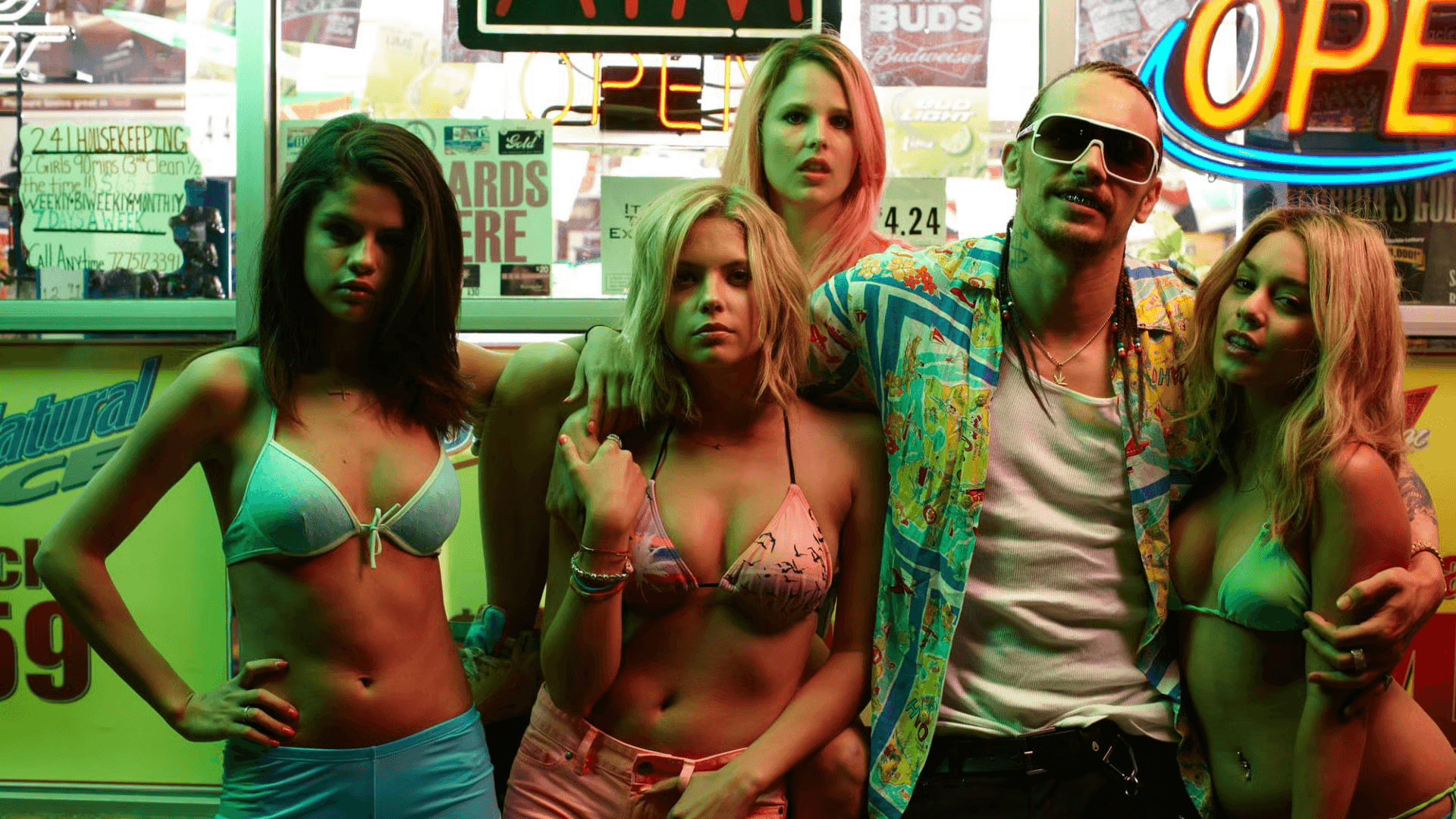
Harmony Korine / Benoît Debie — Spring Breakers
The feverish, transgressive urgency of desire.
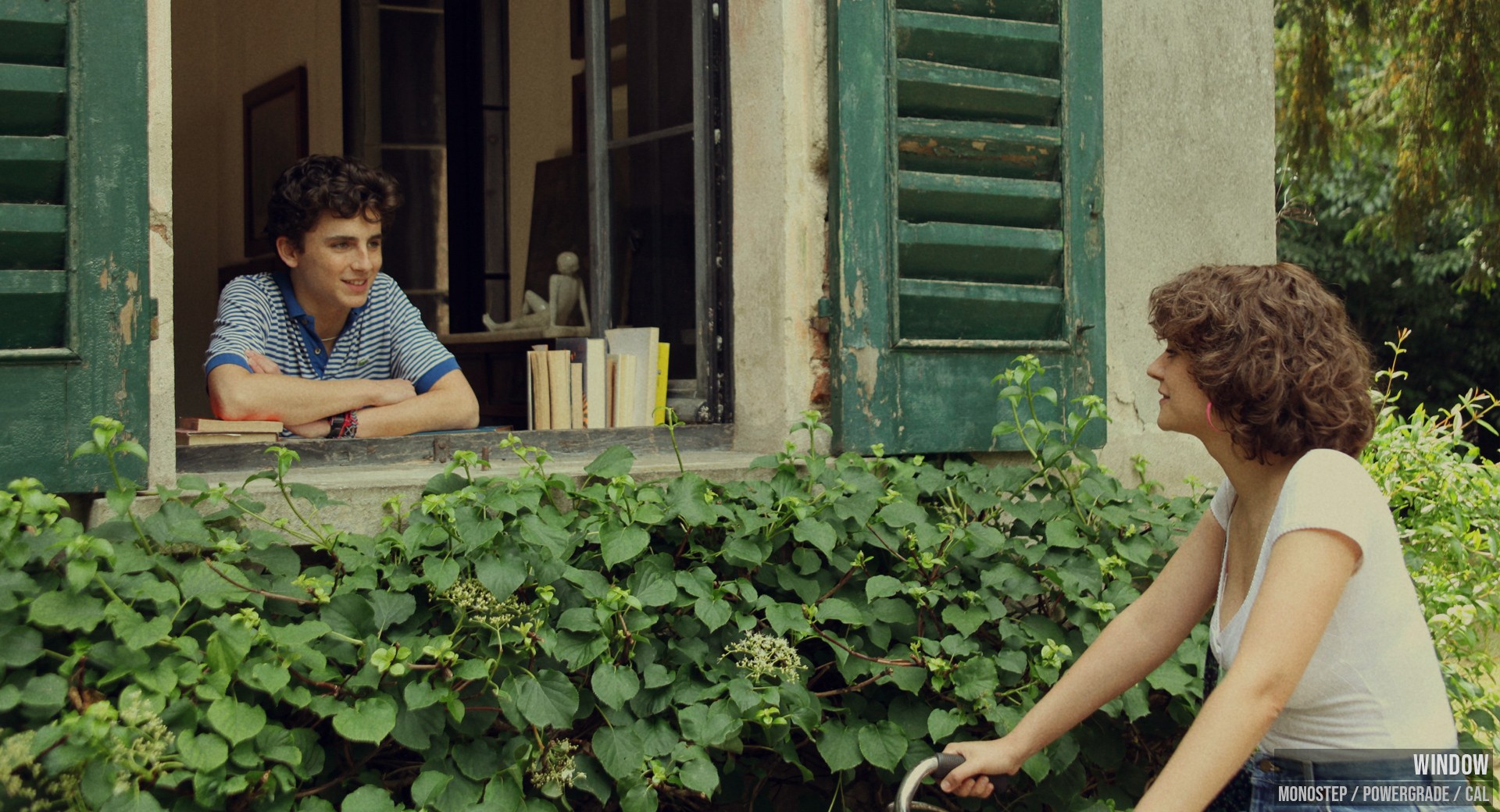
Luca Guadagnino / Sayombhu Mukdeeprom — Call Me By Your Name
The feverish, transgressive urgency of desire.
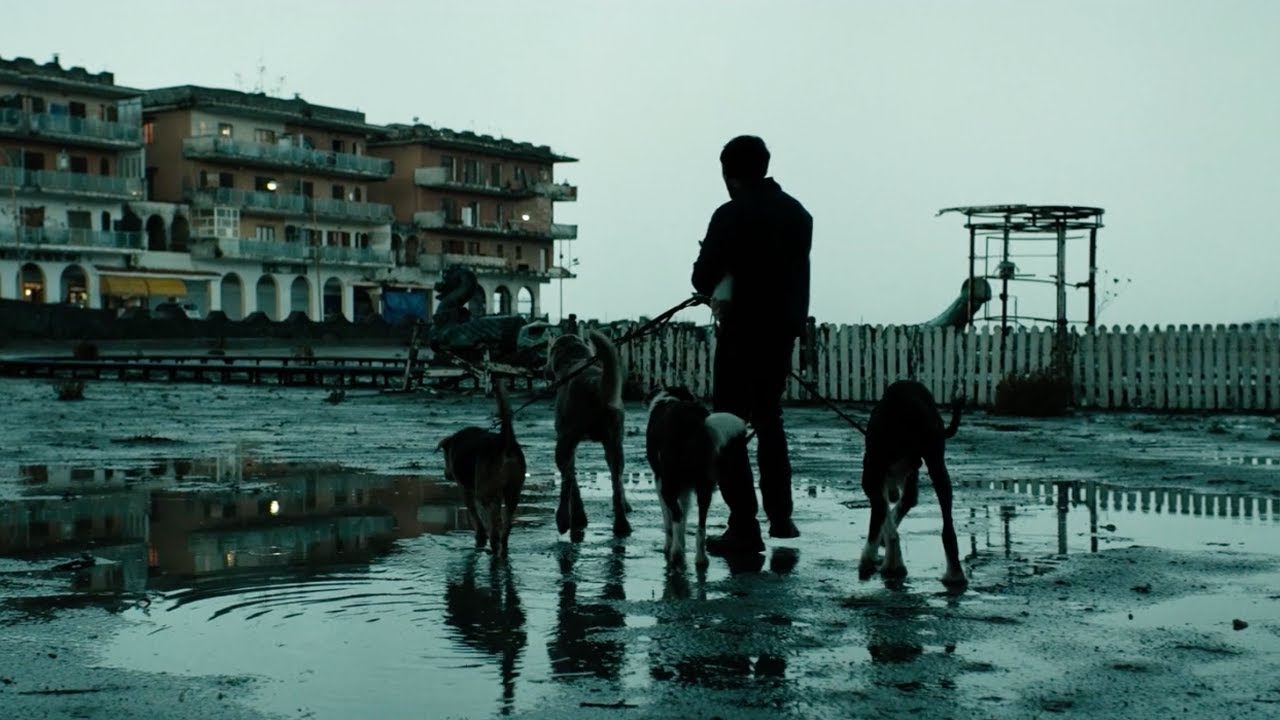
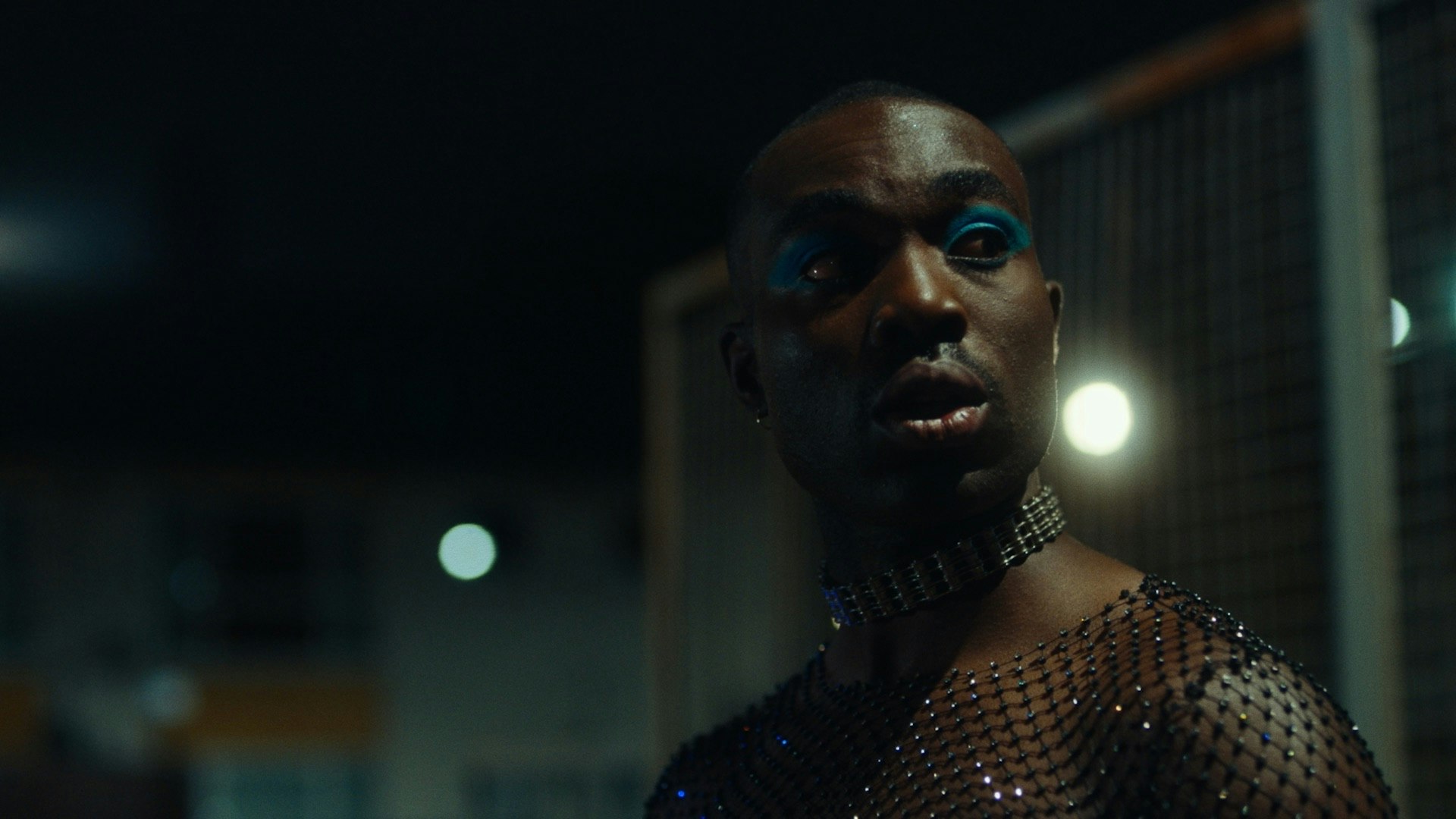
Matteo Garrone / Nicolaj Brüel — Dogman
Working-class bodies under pressure.
The pairings:
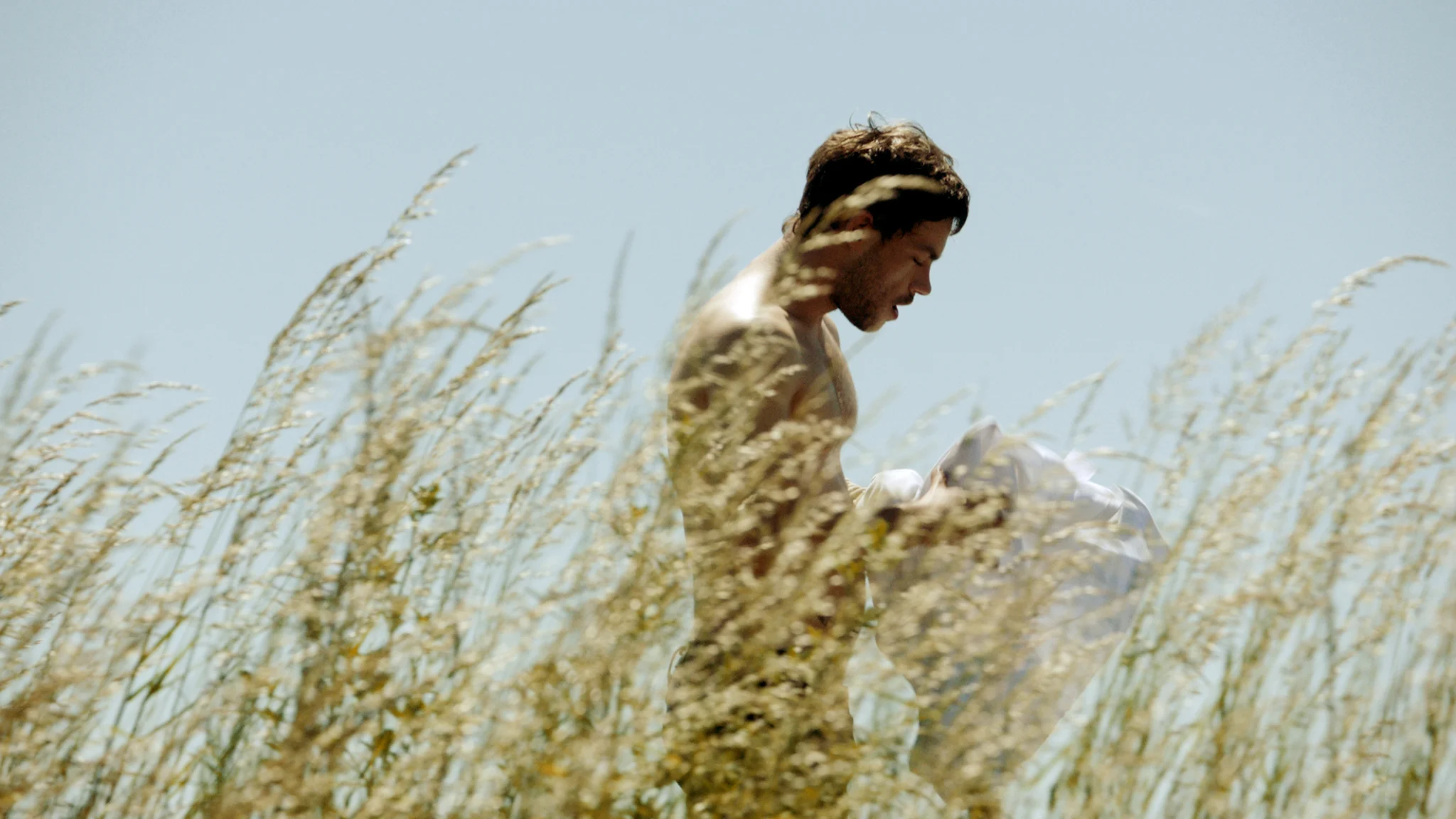
Camille Vidal-Naquet / Jacques Girault — Sauvage/Wild
Raw vulnerability, unvarnished intimacy.
Sam H. Freeman & Ng Choon Ping / James Rhodes — Femme
Performance, disguise, and transformation.
The goal was to apply the logic behind these films (which I absolutely love) to my story, sustained visual thinking across multiple narrative beats.
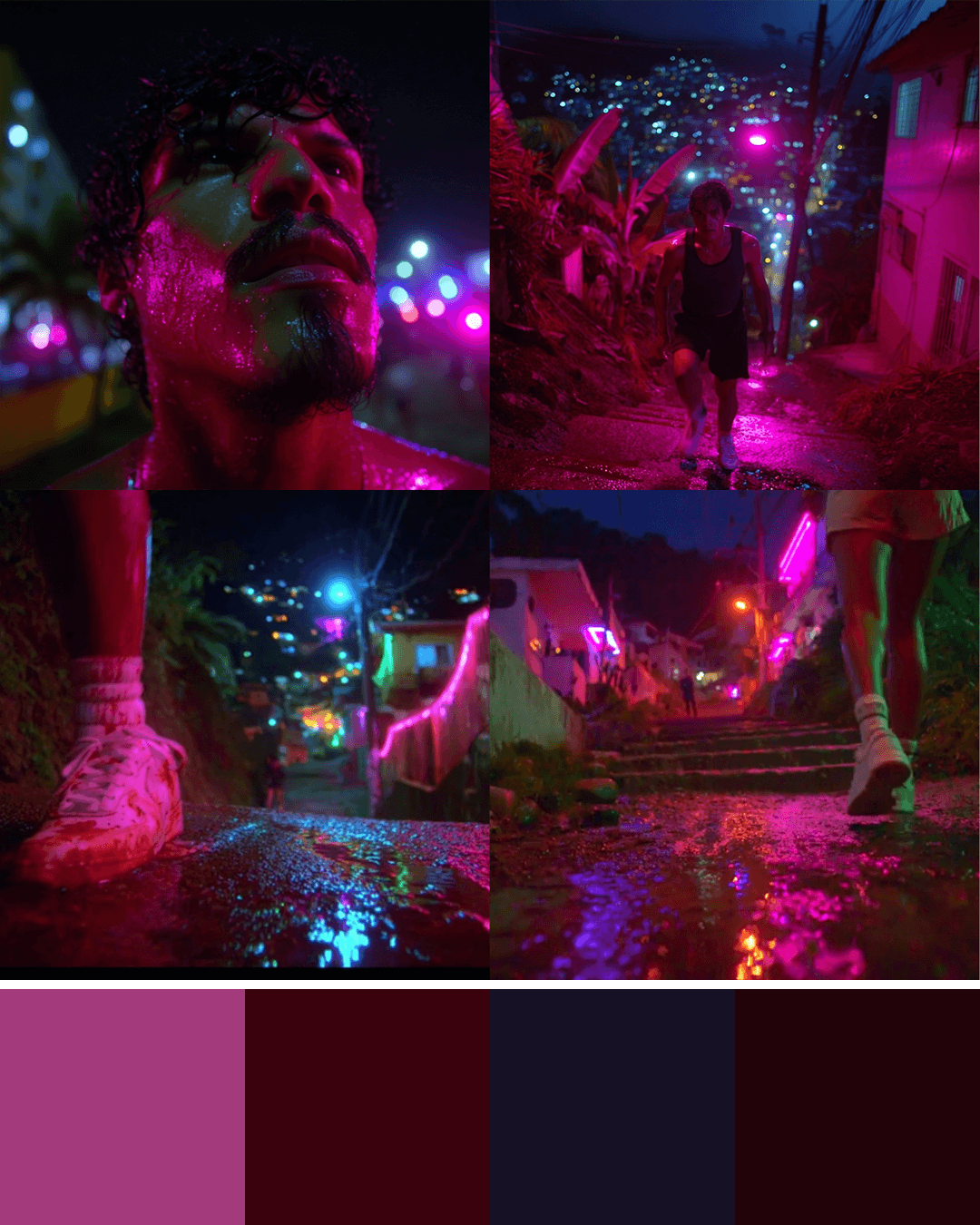
"Baby Pink"
Director/DP: Harmony Korine / Benoît Debie
Felix climbs the steep hillside stairs at night, fresh dog bite bleeding into his sneakers. He’s rushing toward the man who makes the pain irrelevant. Desire’s louder than fear.
Why Korine/Debie:
Spring Breakers captures this heat-drunk, hallucinatory beauty. Neon as emotion. It’s how Felix remembers that summer: feverish, urgent, a little violent.
Translation:
Baby pink and electric cyan shaping the frame. Rain reflections. Film grain. Beauty tinged with danger.
Visually, this moment is: “I’d bleed for you. Time’s running out. I’m climbing toward warmth through darkness.”
Scenes
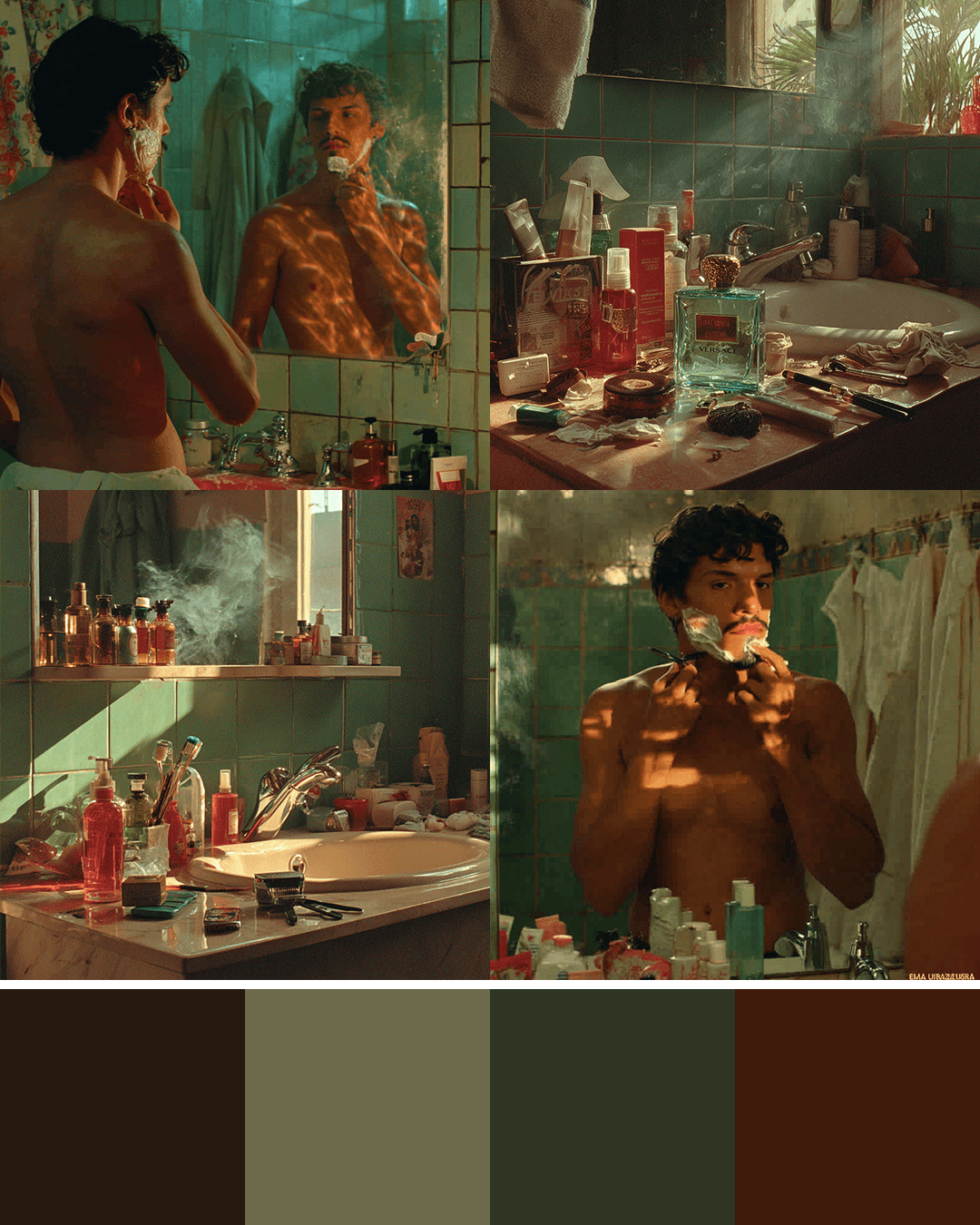
"Layer After Layer"
Director/DP: Luca Guadagnino / Sayombhu Mukdeeprom
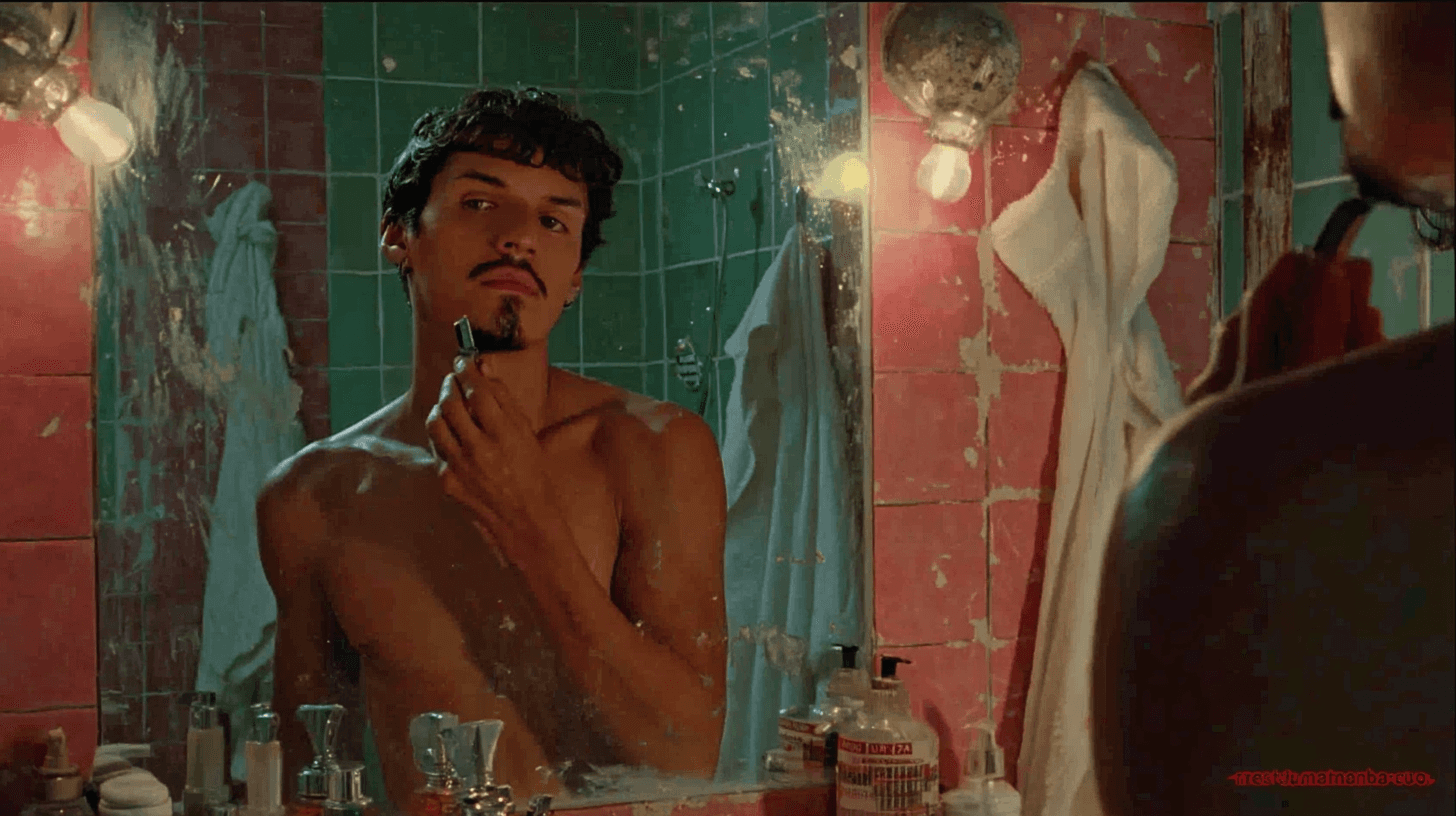
Felix comes home, showers, shaves with a straight razor, puts on cologne. It’s the ritual of becoming someone he hopes Alvaro will want.
Why Guadagnino/Mukdeeprom:
CMBYN’s warmth, the dappled Mediterranean light, the focus on hands and objects — all of it turns private rituals into emotional language.
Translation:
Golden light through a bathroom window. Steam in the air.
Close-ups on the sink, the razor, the cologne.
Visually, this moment is a bout self-construction. It is the quiet performance before the actual performance.
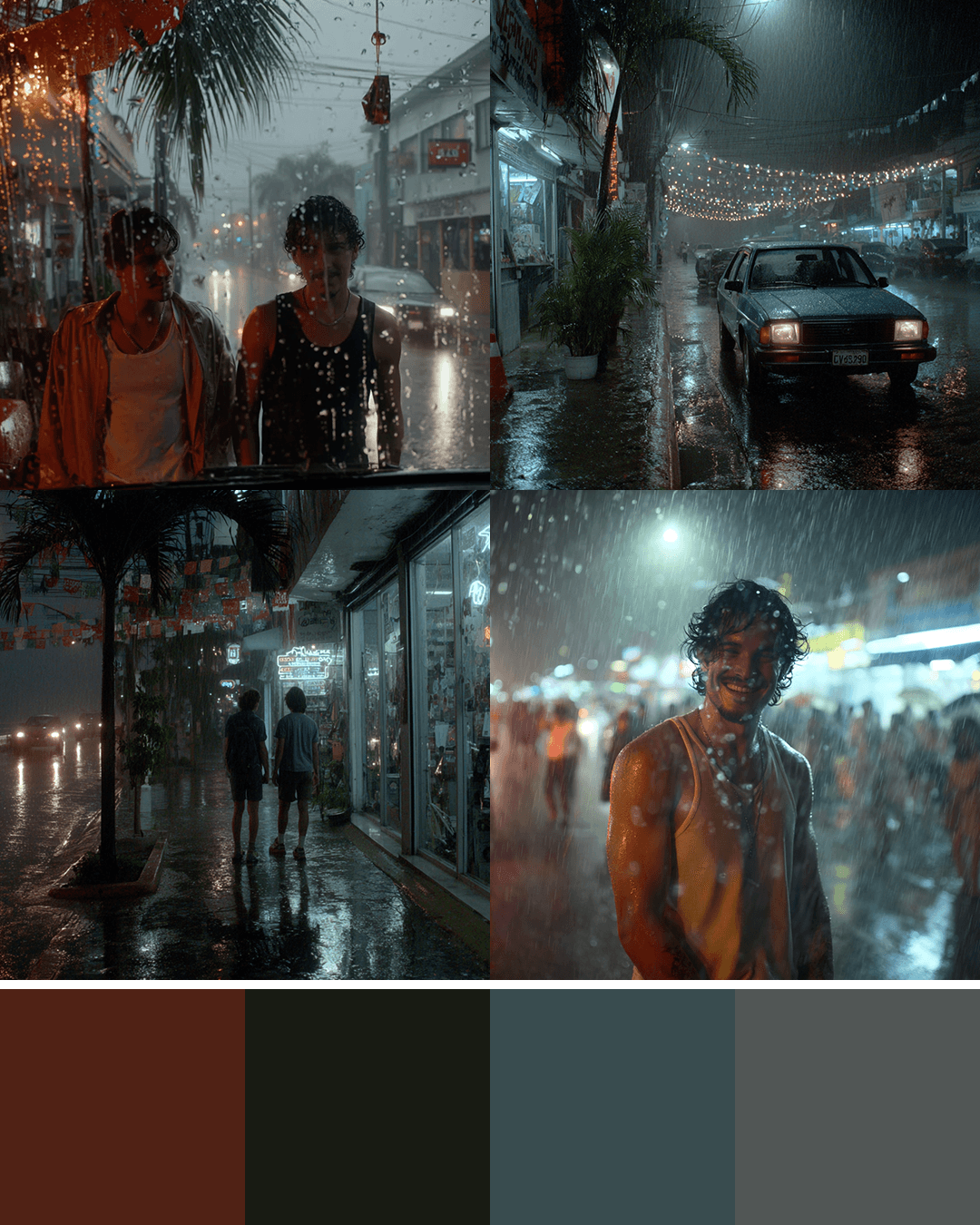
"Rain Walk"
Director/DP: Camille Vidal-Naquet / Jacques Girault
Felix and Alvaro walk home through rain after a party. They are making their way back home after a party. Felix is elated, but already feels the moment slipping.
Why Vidal-Naquet/Girault:
Sauvage captures intimacy without polish — handheld, desaturated, honest. Beautiful without pretending to be.
Translation:
POV through rain-streaked windows. Natural overcast light. A documentary closeness.
Visually, this is: “This is perfect, which is why it feels temporary.”
"The New Felix"
Director/DP: Sam H. Freeman & Ng Choon Ping / James Rhodes
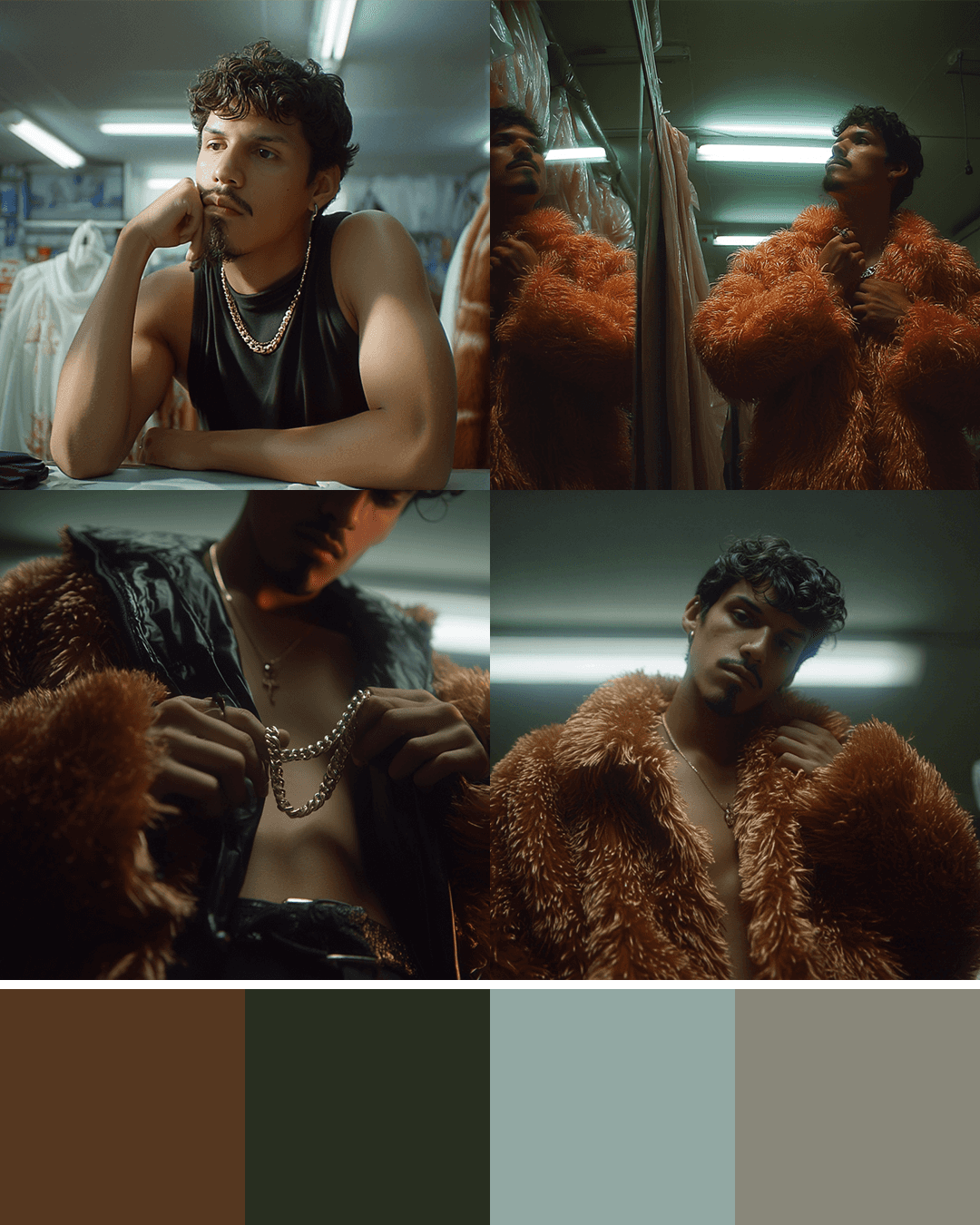
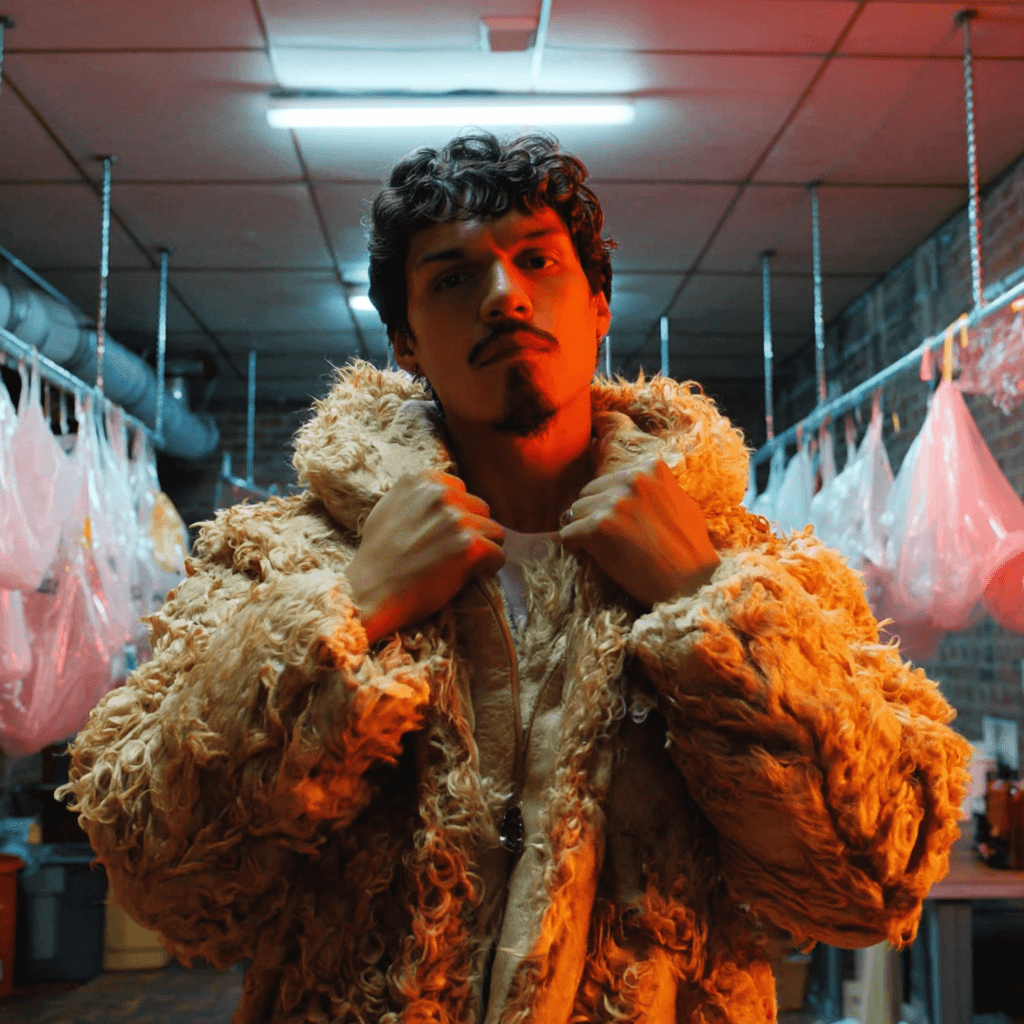
Felix tries on a patron’s fur coat at the dry cleaner. There’s a diamond necklace in the pocket. For a moment he sees who he could be — someone Alvaro might choose.
Why Freeman/Rhodes:
Femme deals in queer noir: mirrors, performance-as-survival, harsh lighting exposing class gaps.
Translation:
Mint-green fluorescents. Tight framing of Felix and his reflection. Cheap institutional space meeting luxury object.
Visually, this is transformation loaded with class tension — performance as a way to survive and to dream.
"Tomas"
Director/DP: Matteo Garrone / Nicolaj Brüel
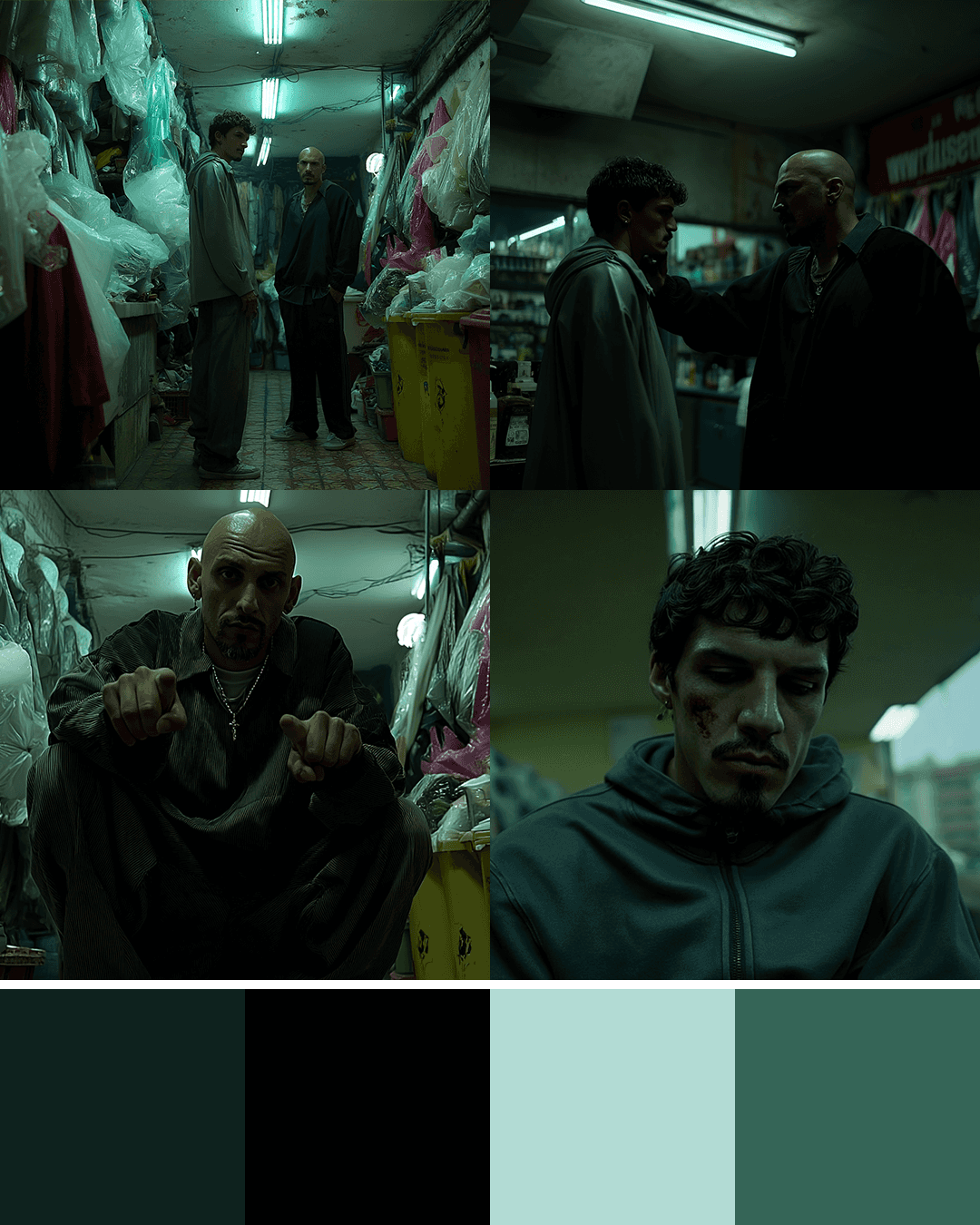
Later, Tomas confronts Felix during hsi shift at the dry cleaner. The violence is personal and inevitable.
Why Garrone/Brüel:
Dogman understands working-class tragedy — fluorescent greens, unflinching humanism, bodies carrying the cost.
Translation:
Harsh lighting. Worn tiles. Plastic-wrapped clothes closing in.
Visually, this moment is about economic humiliation turning into violence — brutal, human, inevitable.
What I Learned
1. How directors actually build emotion.
Understanding these voices meant going past aesthetics into intention.
Why Mukdeeprom uses dappled light. Why Debie pushes color to the edge of hallucination. Why Brüel leans into institutional green.
It’s emotional engineering disguised as style.
2. How visual language holds across a whole story.
Once I mapped multiple scenes, each team’s logic surfaced — not isolated “pretty frames,” but a visual grammar that carries through tension, desire, violence, and quiet.
World-building only works when the language stays honest.
3. How to explore directorial variations fast.
This became a quicker way to answer the development question:
“What if this belonged to a different vision?”
I could explore variations in a day — not because of the tool, but because the thinking was already there.
The tool just made the thinking visible faster.