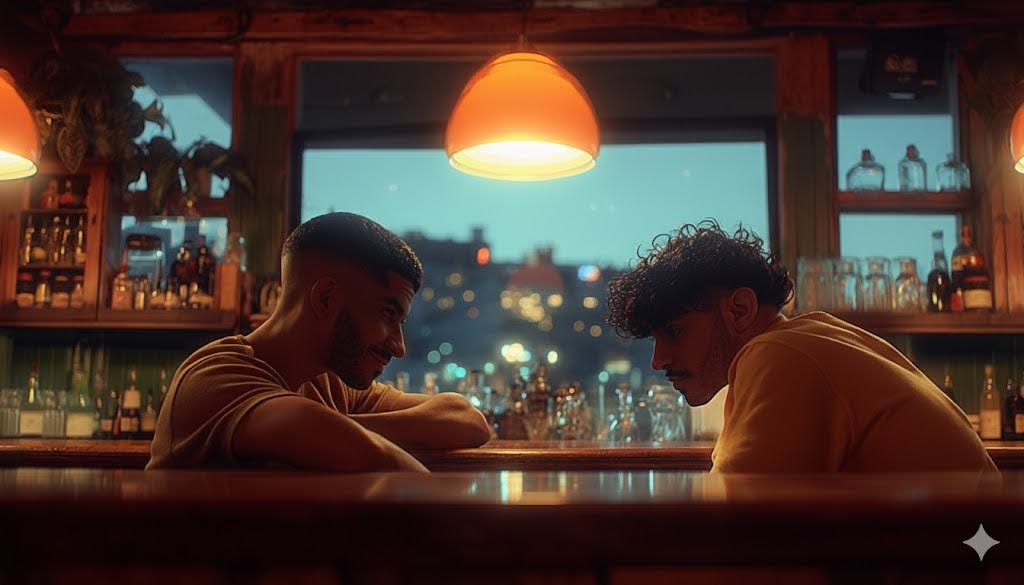
Diego Can't sleep
Exploring tension, proximity, and why two guys at a bar completely derailed my weekend.
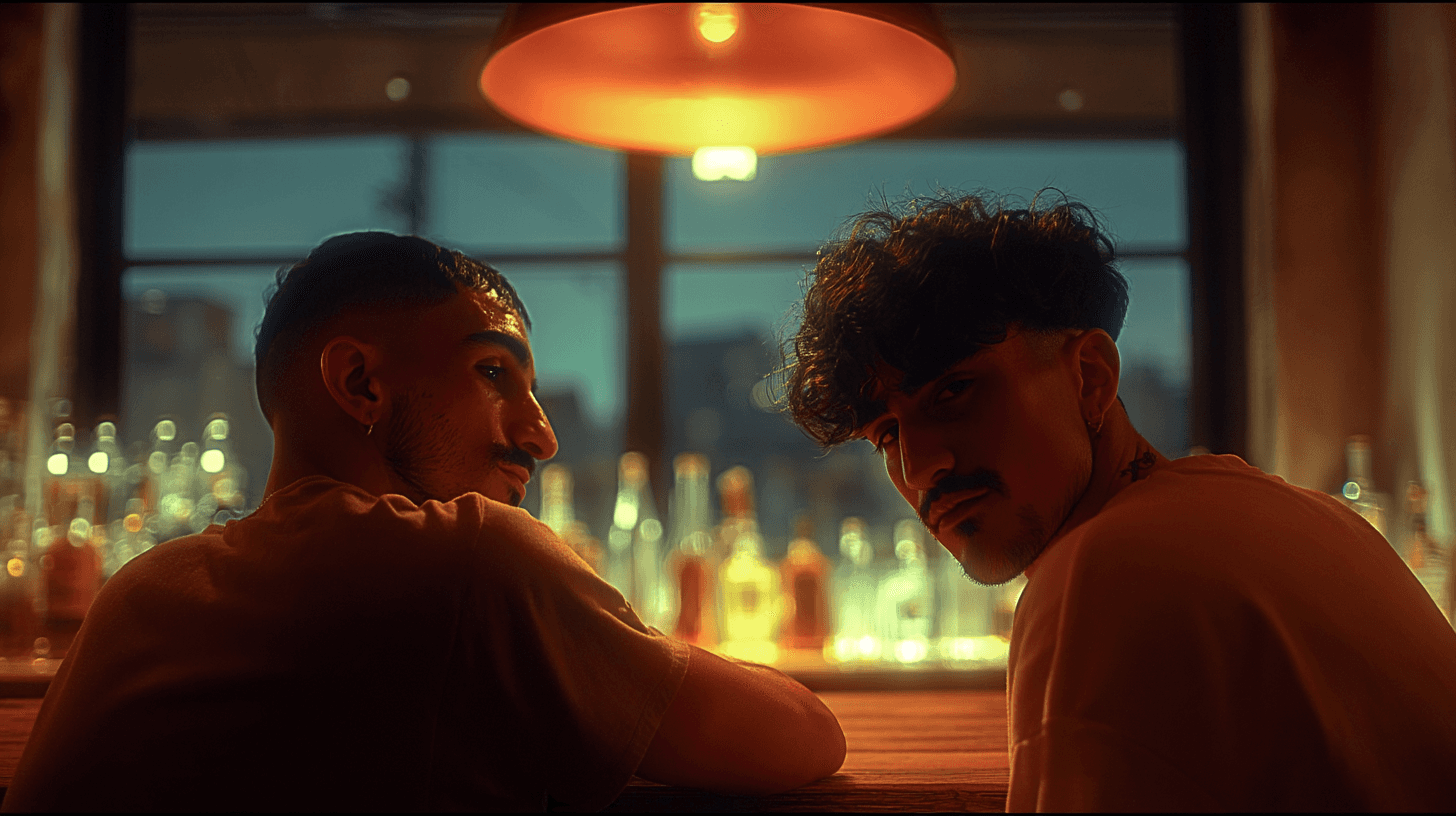
A close look at how proximity and behavior shape the emotional read of a scene. The framing, the eye-lines, and the light all work together to expose tension that isn’t spoken but still defines the moment.
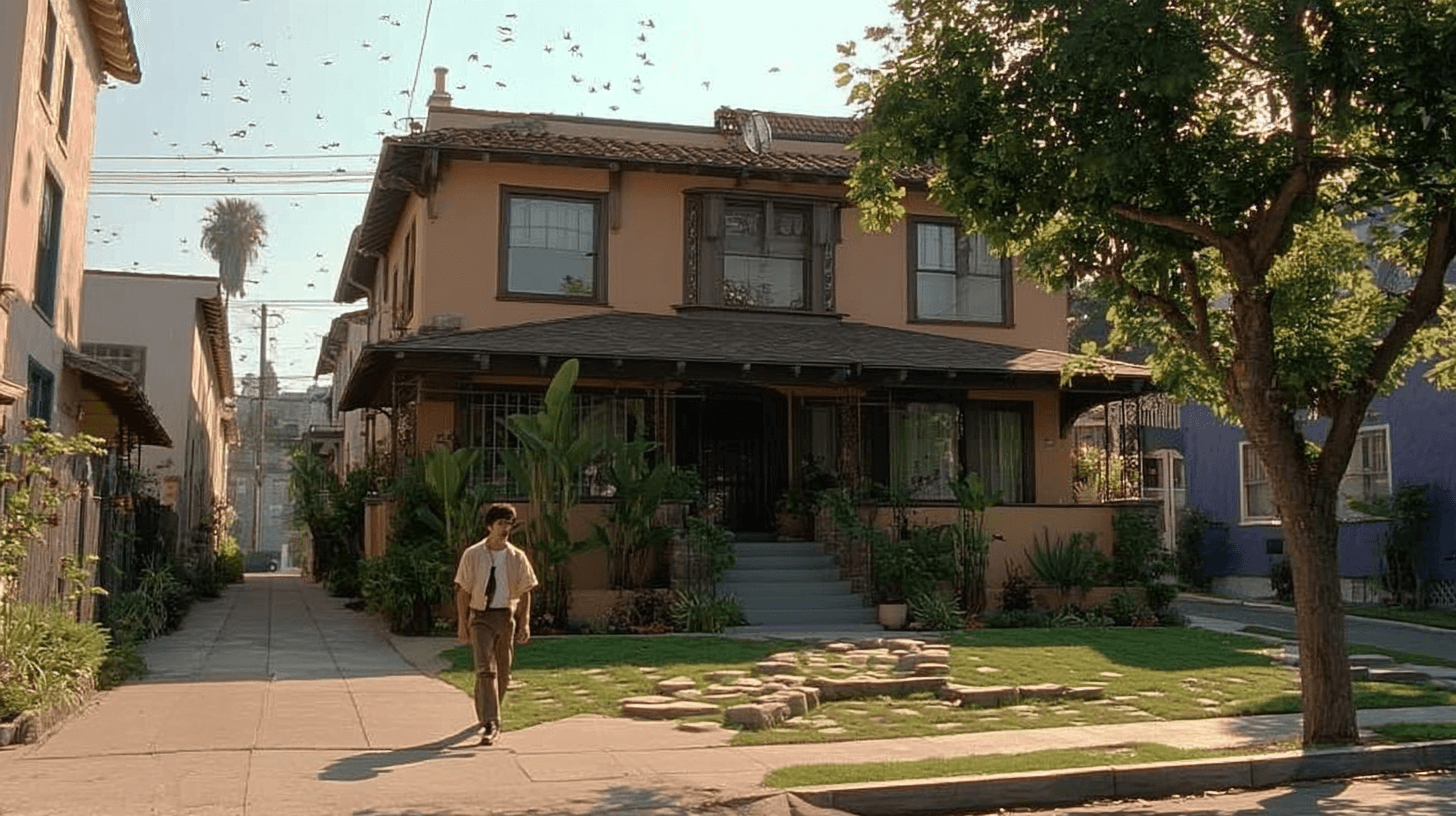
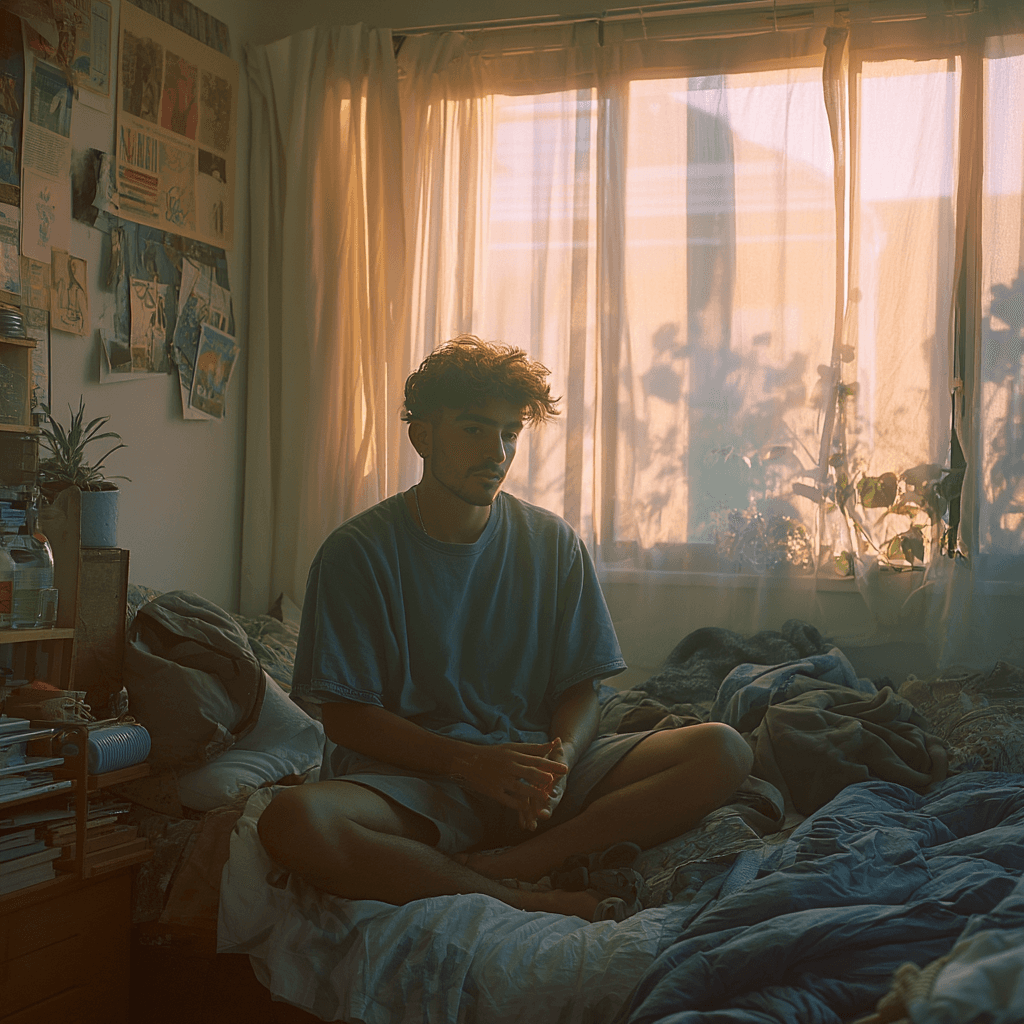
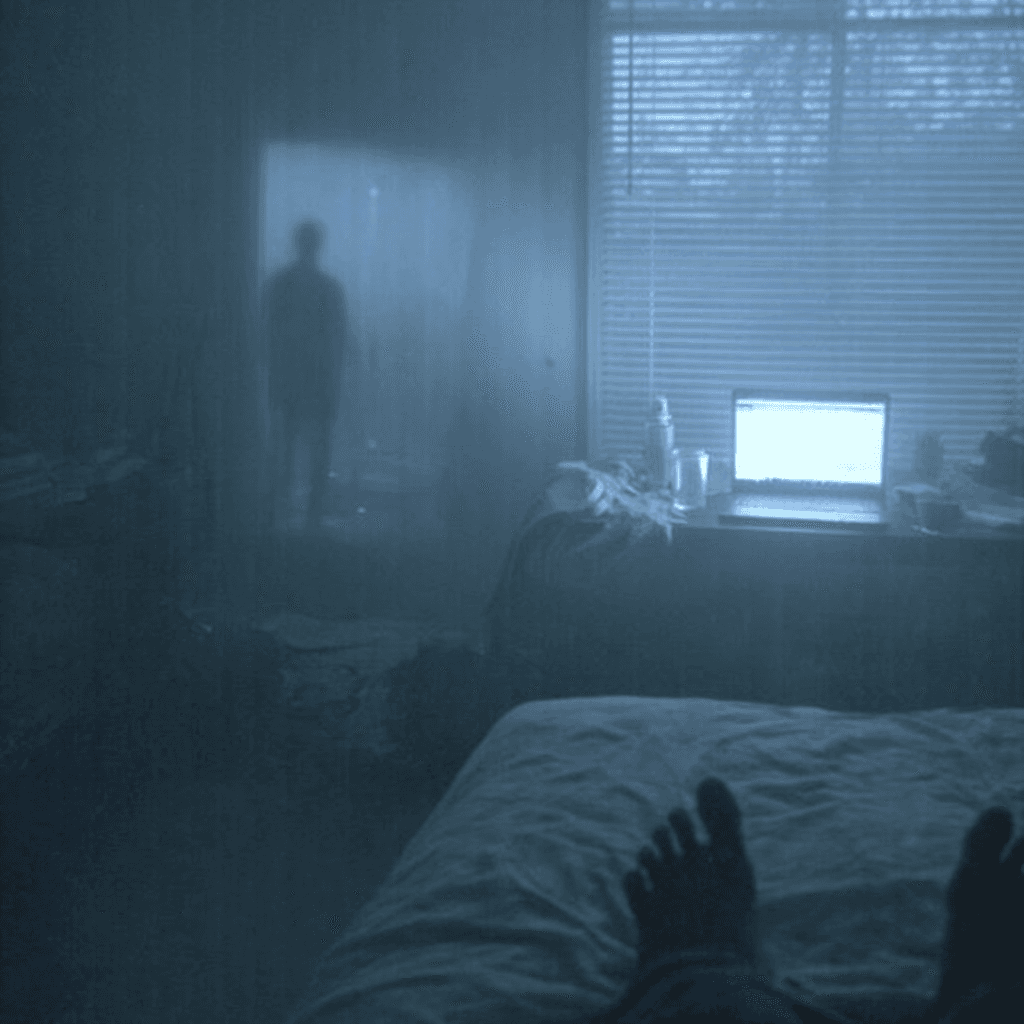
Then I hit the bar scene.
On the page it’s simple: Diego meets someone older, confident, someone who reads him a little too well. But the second I started framing it, I saw the whole power dynamic. Proximity. Eye-lines. Micro-behavior. Two people figuring out who gets to take up space.
Diego’s twenty-one, tries not to be too much for anyone. Ricky’s older, walks into people’s space like he’s already been invited. The tension was there on the page. Framing it made it impossible to miss.
LA at night has this way of warming a bar from the inside out, glass catching fire in the light, conversations folding over each other in the background.
Diego Can't Sleep is an 80,000-word queer psychological horror novel I wrote about a 21-year-old gay Latino USC student dealing with sleep paralysis and guilt - and how when you're in that kind of dark headspace, you stop seeing red flags in people. You let the wrong ones in without realizing it until it's too late.
I started this as a translation exercise, where I designed scenes in different directors' visual languages. Guadagnino's closeness, Sayombhu's natural light, Hiro Murai's unease, Kore-eda's quiet humanity. Each one pulled something different out of Diego.
They Just Met

This is before anything tips.
They’re just sitting there. Ricky noticed Diego first - not in some predatory way, just in that way some people immediately clock who’s uncertain, who hesitates, who doesn’t know how to hold their ground.
Diego straightens up a bit. Looks over.
There’s curiosity there, maybe even flattery. He’s opening up, just slightly.
Where It Starts Shifting
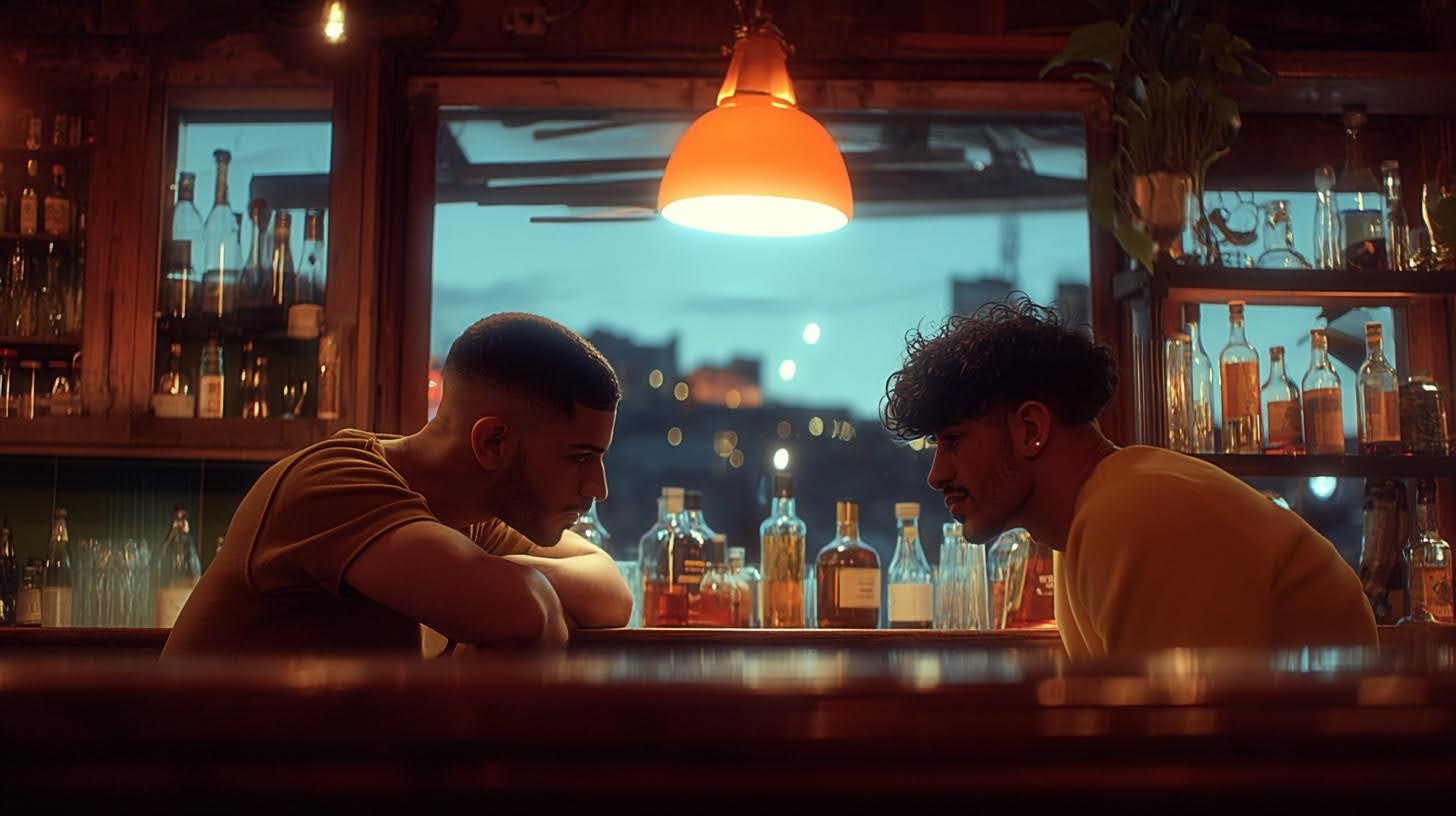
Here’s where the dynamic actually starts.
Ricky leans down a little - small adjustment, brings himself to Diego’s eye level. Seems considerate. I’ll meet you where you are.
Closing the Gap
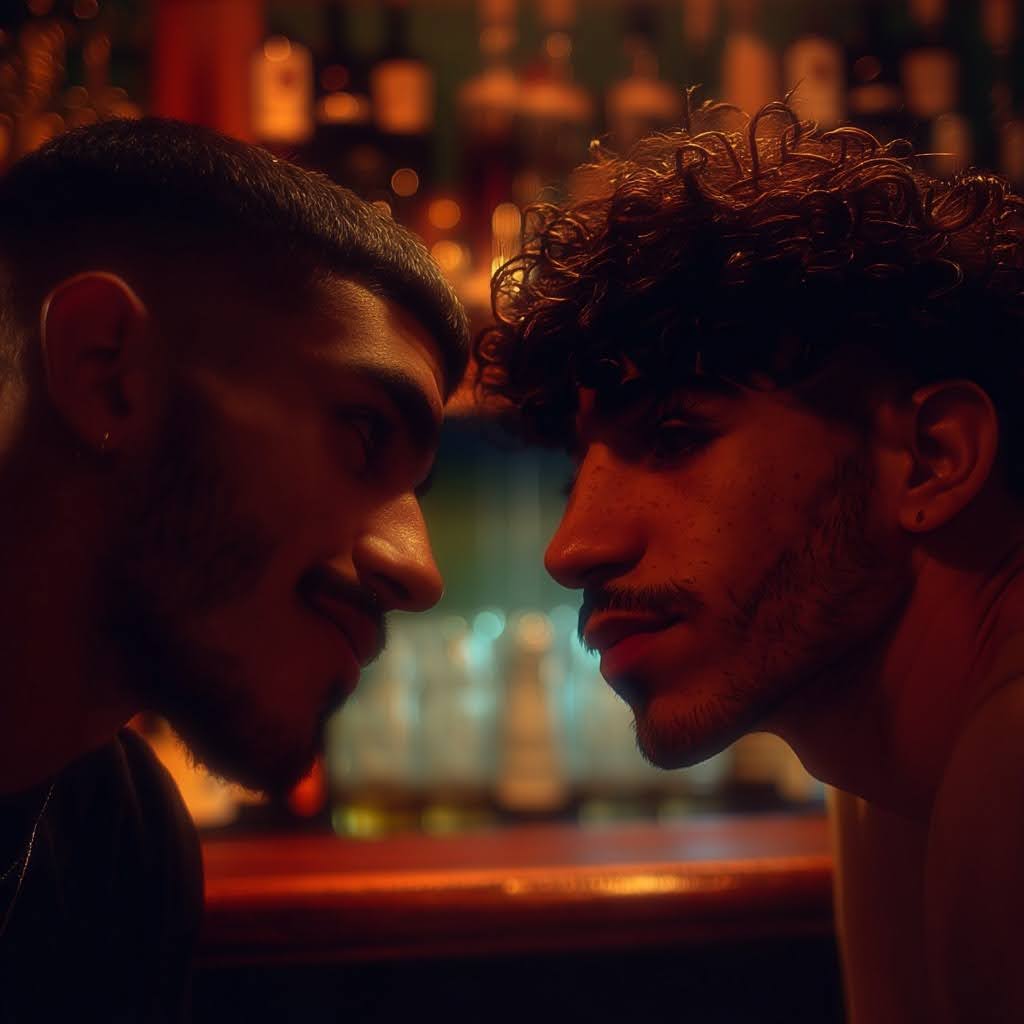
This is where it changes.
I pushed the camera closer.
Ricky moves in just enough that the frame starts favoring him.
Diego leans in maybe a couple millimeters. Not confident nor backing off, but frozen between the two.
Ricky’s shoulder cuts into frame. His jaw takes up the foreground. Diego reacts immediately - eyes drop, chin tucks, slight turn away.
The power just shifted. Proximity isn’t neutral anymore.
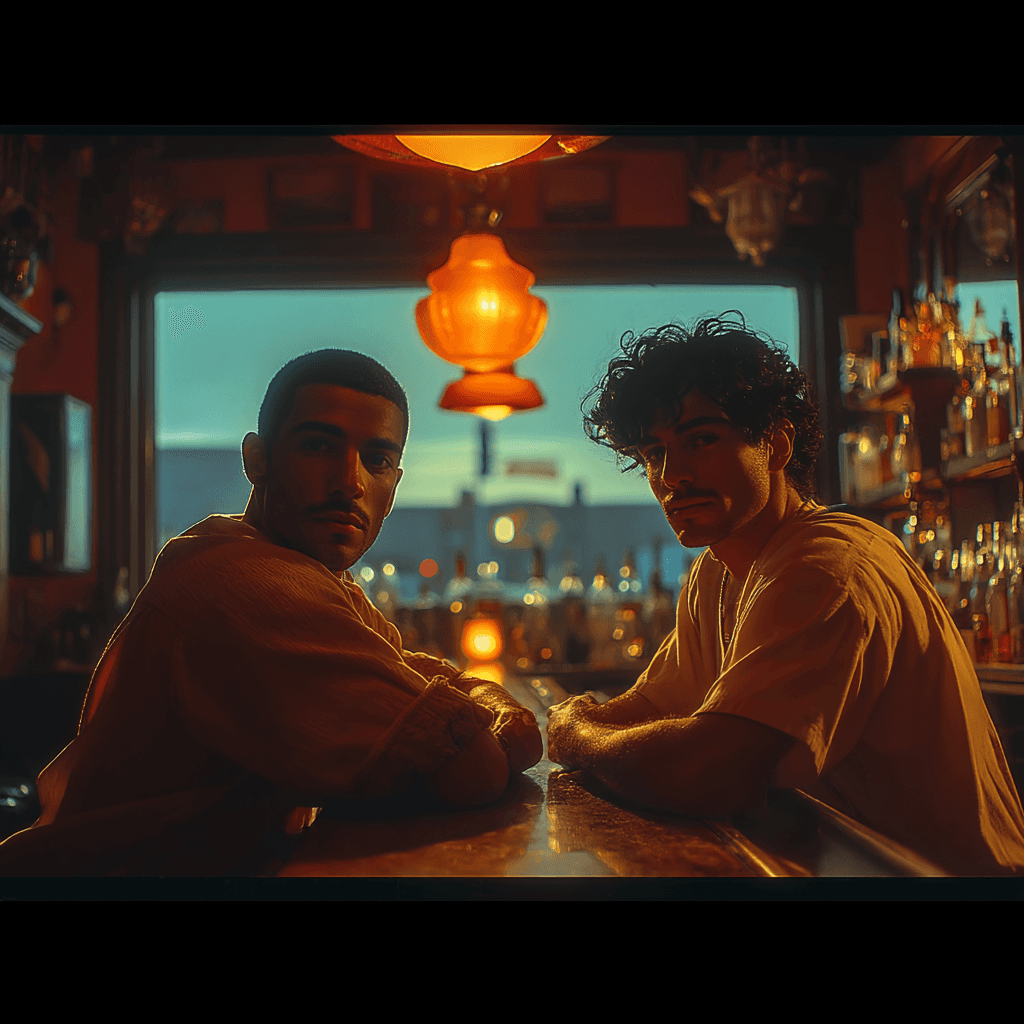
Diego sits up. Gets more present. They’re talking about his friends, nothing serious, but Ricky’s gathering intel while Diego’s just trying to figure out if this is real.
At this distance they still share the frame. Both have room.
If it stayed here, it’s just two guys at a bar.
The Camera Chooses a Side
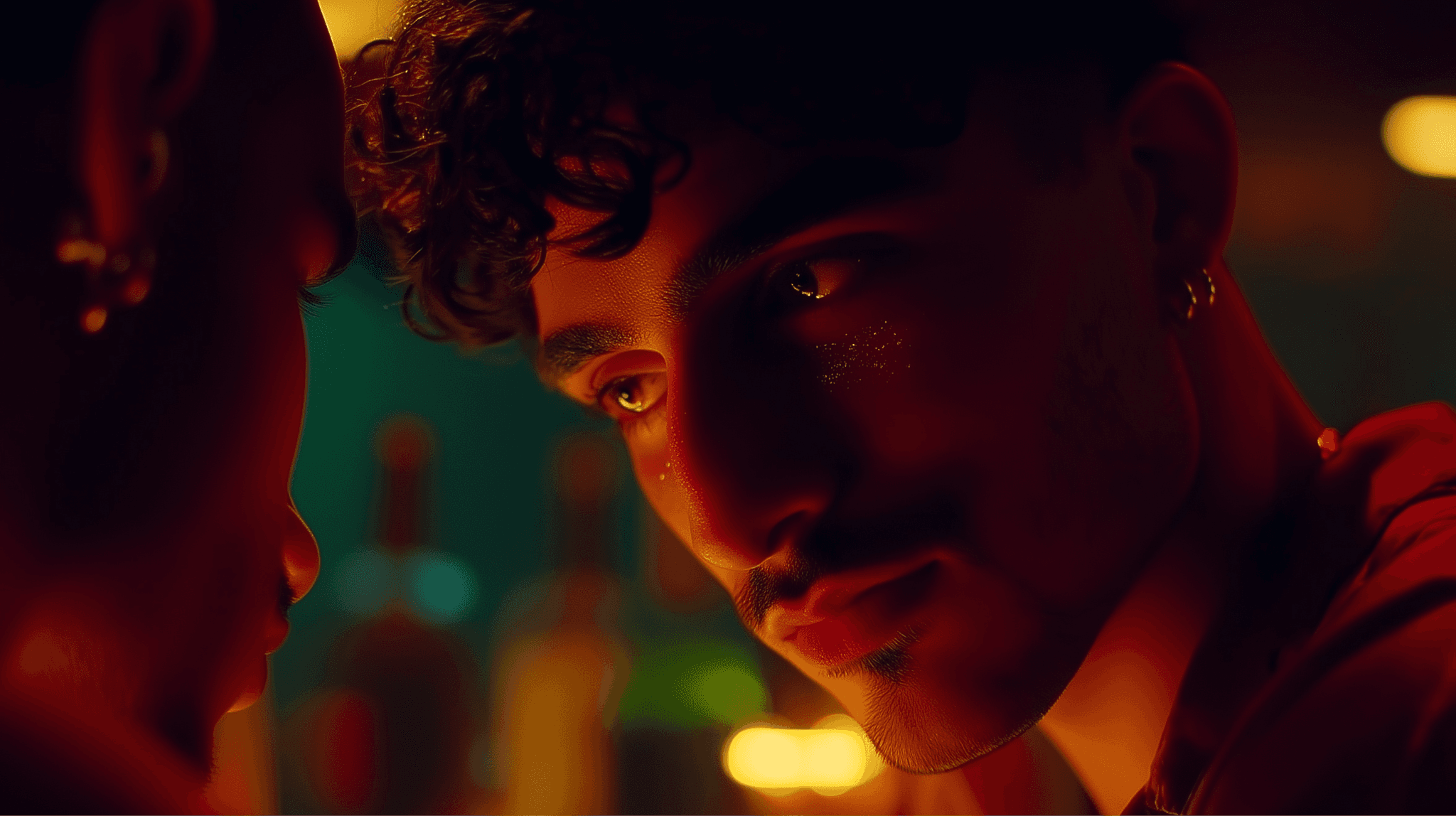
Cut to Diego and everything gets softer.
He’s in warm light, caught between wanting this and having no idea what to do with it. If you only saw this shot you’d think he’s into the guy.
But look at what he’s NOT doing. Won’t hold eye contact. Isn’t moving forward. Waiting to see how much space he’s actually allowed.
It’s not fear, not desire - it’s that thing people do when they never learned they’re allowed to take up room.
Guadagnino talks about this constantly - the small stuff that tells you more than any dialogue. Diego’s body knows before his head does.
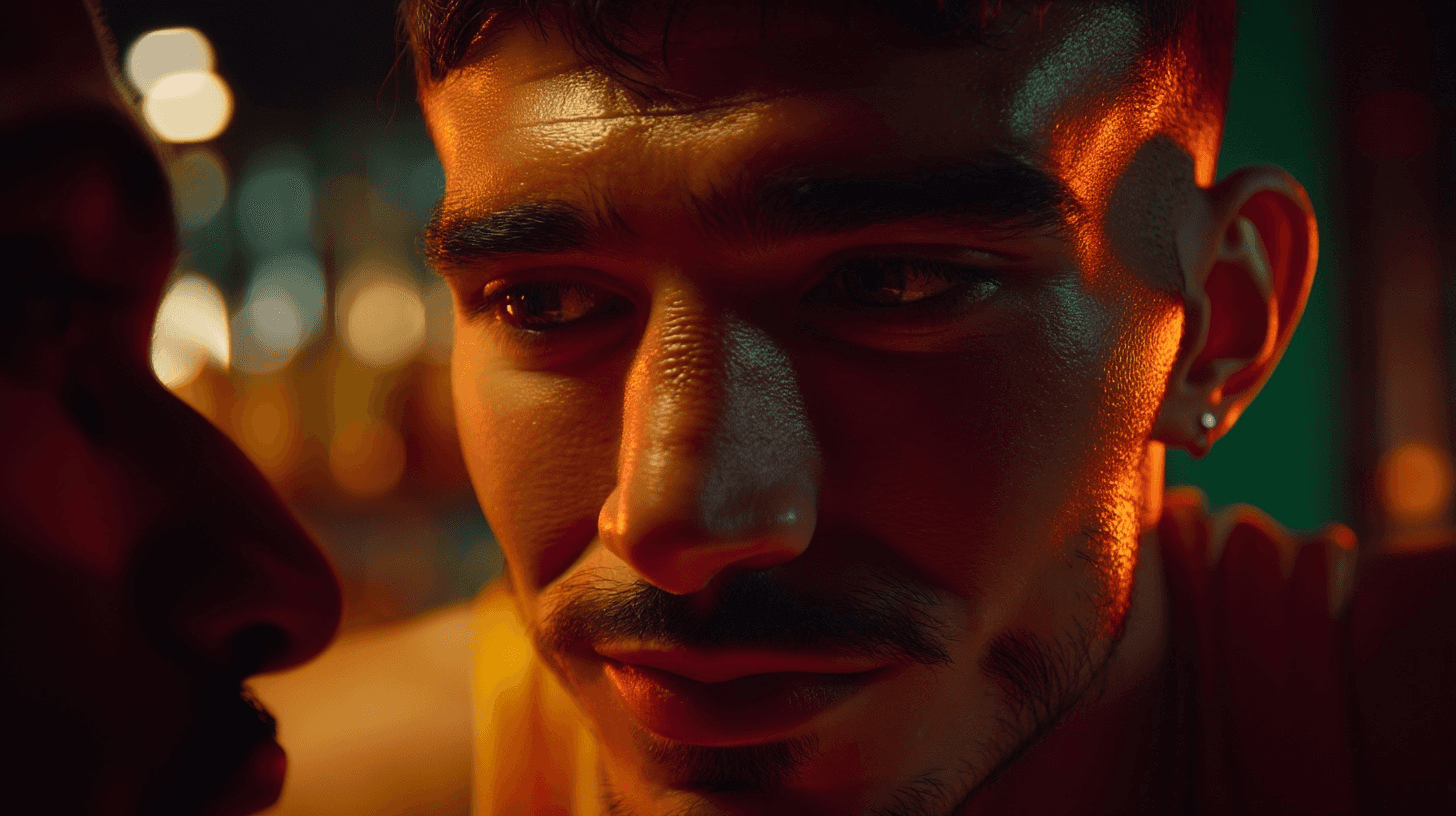
Cut back to Ricky and the light gets harder. More directional.
His expression shifts. He goes from warm to calculating. He just figured out he’s got the upper hand.
He’s not being mean about it. He just sees the dynamic clearly and Diego doesn’t.
Light does the work here. Diego stays in that soft glow. Ricky gets the sharper edge. You know who has control without anyone saying it.
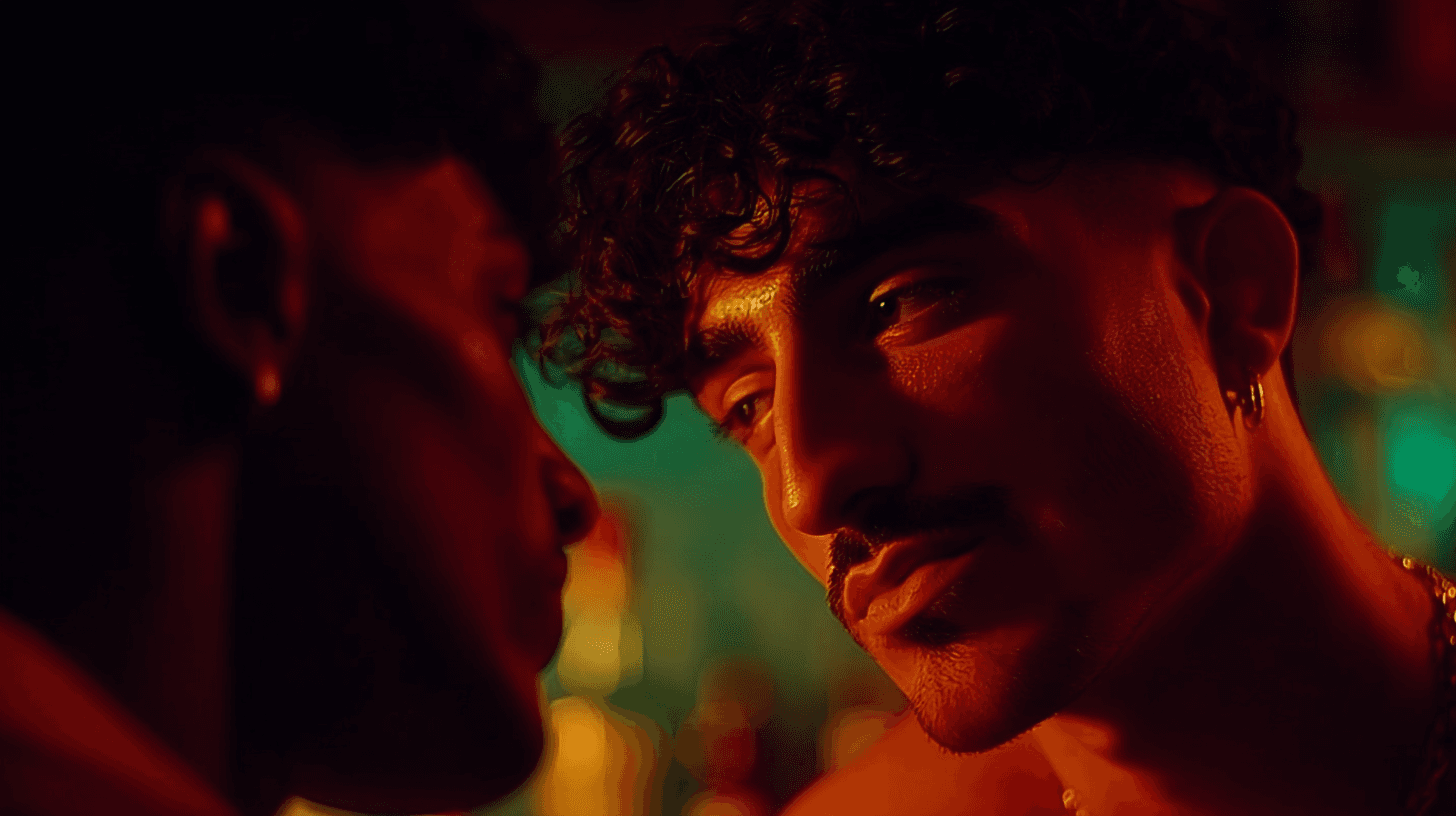
Ricky pulls back a little - enough to make it seem like he’s giving space without actually giving any.
Diego finally responds. His lighting changes too - less soft, more contrast. The moment goes from suspended to something closer to a decision.
Background blurs. Frame gets tighter. Rest of the bar’s gone.
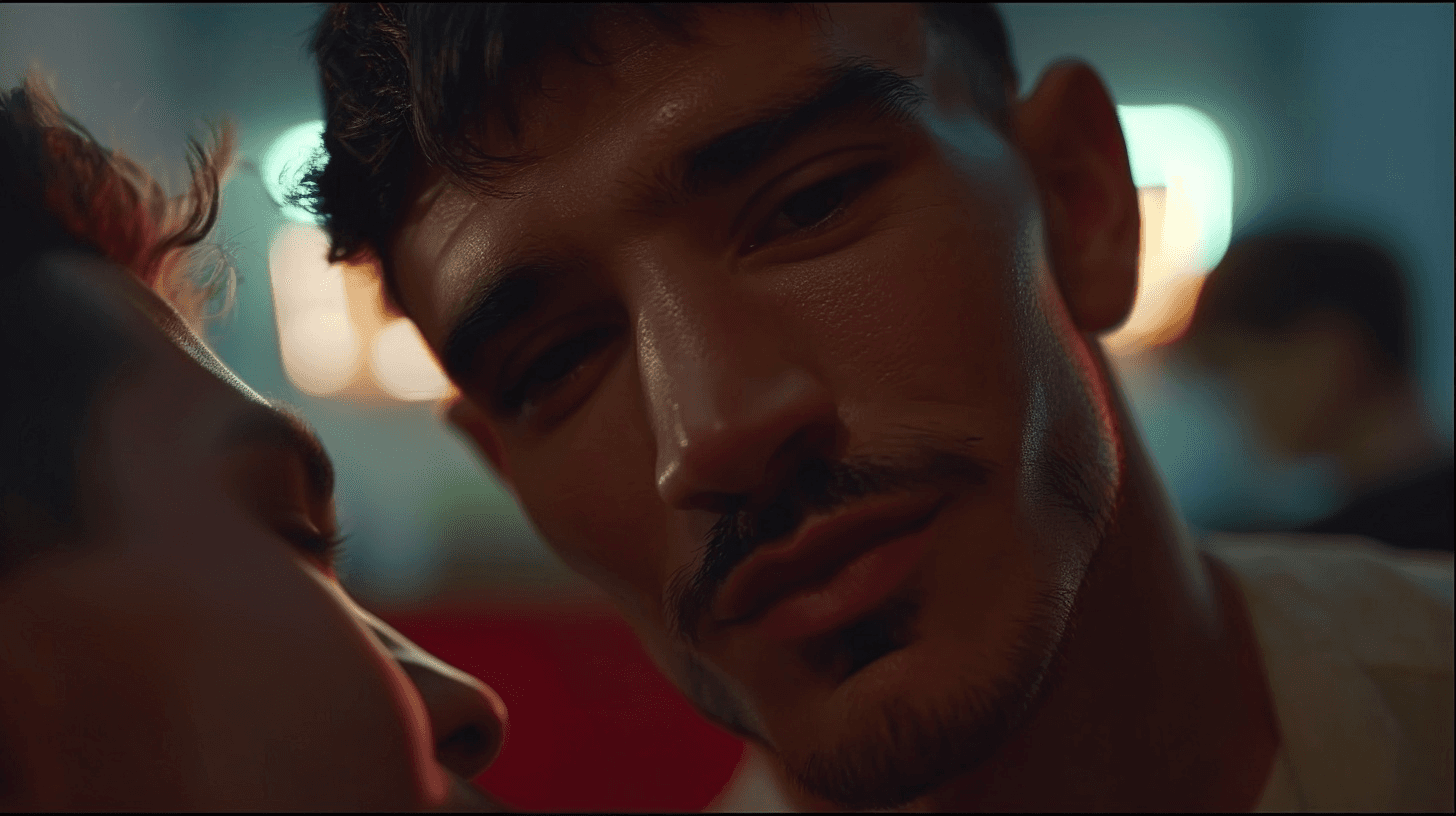
Cut back to Ricky, and the energy sharpens again. His expression is an assessment. This is the moment where he realizes he has the room.
The camera treats him differently: more structure, more intention, more edge-light carving out the angles of his face.
He’s focused, but not soft. And you understand, instinctively, that he’s the one controlling the rhythm of this exchange.
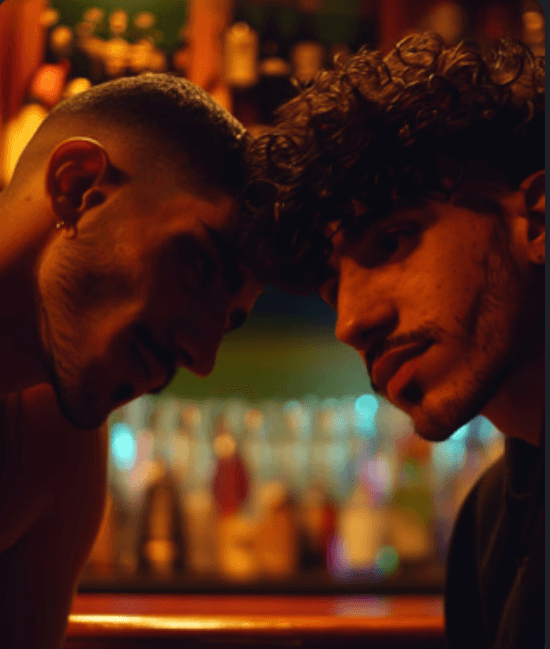
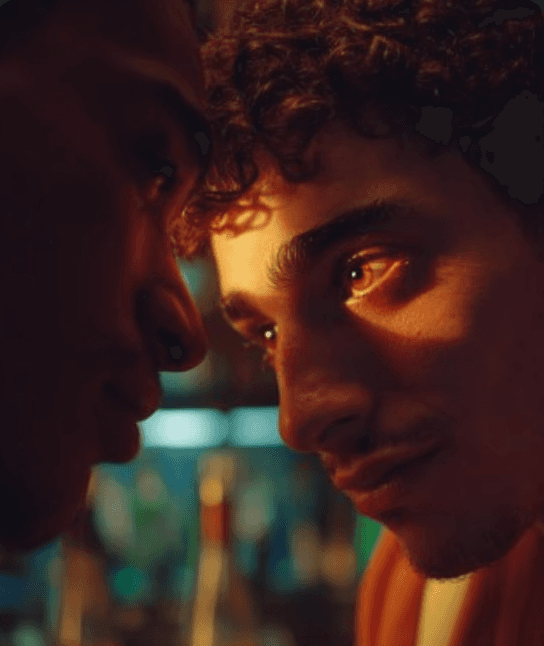
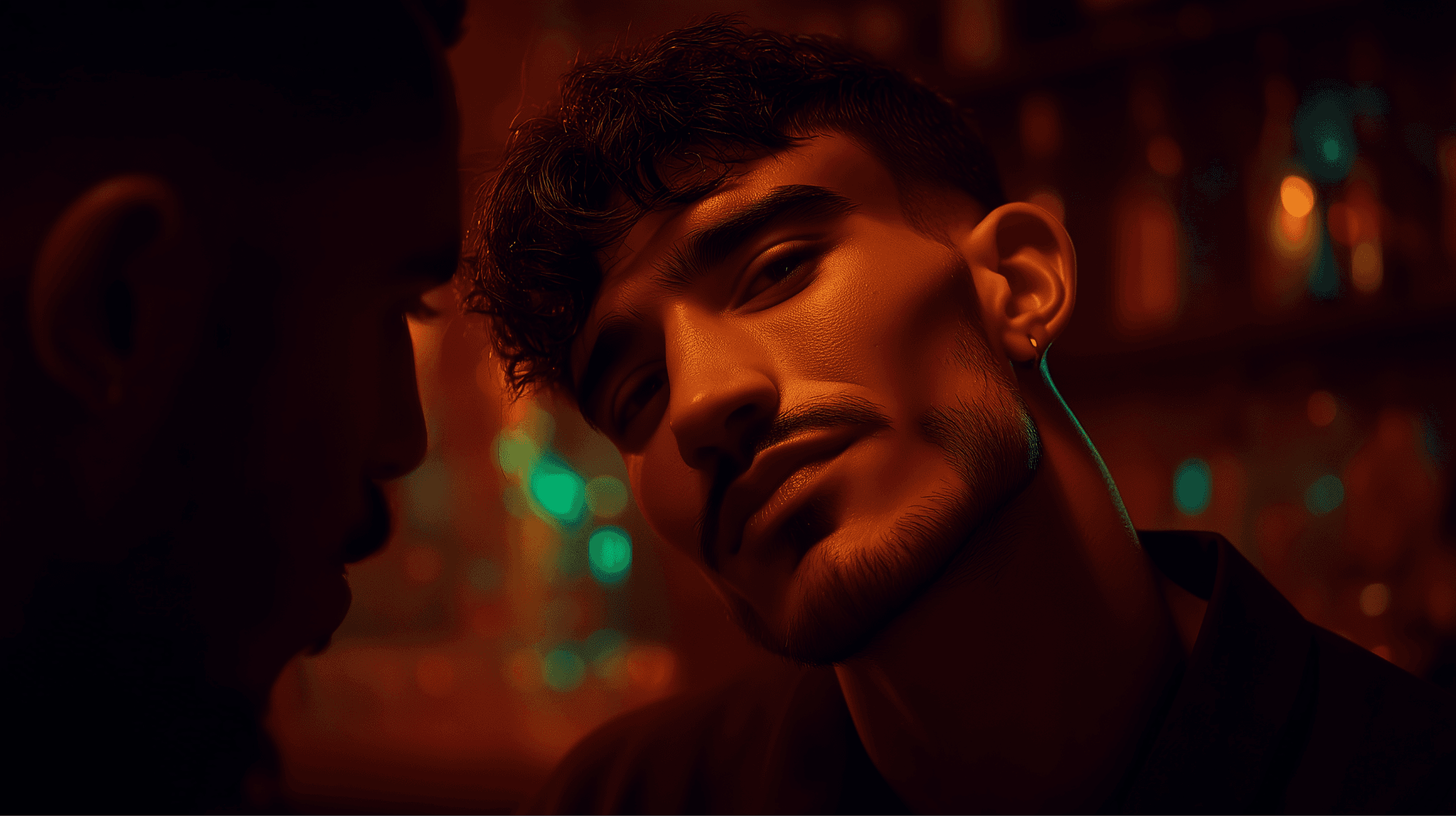
Here, Ricky leans in close. Close enough that their foreheads almost meet. The moment shifts. The tension that’s been hanging between them becomes something Diego has to answer.
Diego gives a small, involuntary smirk. It’s that expression people make when they’re flattered and overwhelmed, trying to steady themselves inside a moment they didn’t expect. But it’s still a choice. A quiet “yes,” even if he hasn’t fully processed it.
Ricky picks up on it immediately.
He pulls back just an inch, creating the space Diego didn’t know he needed. The light hardens slightly, contrast sharpens, and the dynamic settles: one person reaching in, the other deciding how close he’s willing to let that reach land.

When the camera finally steps back, the power dynamic stops hiding. Ricky sits steady, grounded, almost settled into the moment. Diego folds inward. He stays at the table, but everything in his posture tilts toward submission; the lowered head, the rounded shoulders, the way he seems smaller in the wider frame. The close-ups suggested intimacy. The wide shot makes it clear who’s setting the terms.
This frame holds the entire scene together; the culmination of every inch Ricky closed, every glance Diego avoided, every breath suspended between them.
Ricky angled in, Diego looking down, both faces lit in a way that reveals more than it hides.The camera is close enough that you feel their breath. And all the ambiguity settles into one clear truth:Whatever’s happening here isn’t equal.
And Diego isn’t ready for what Ricky sees in him.But the moment is honest. And sometimes honesty in a frame is more revealing than the characters are aware of themselves.